


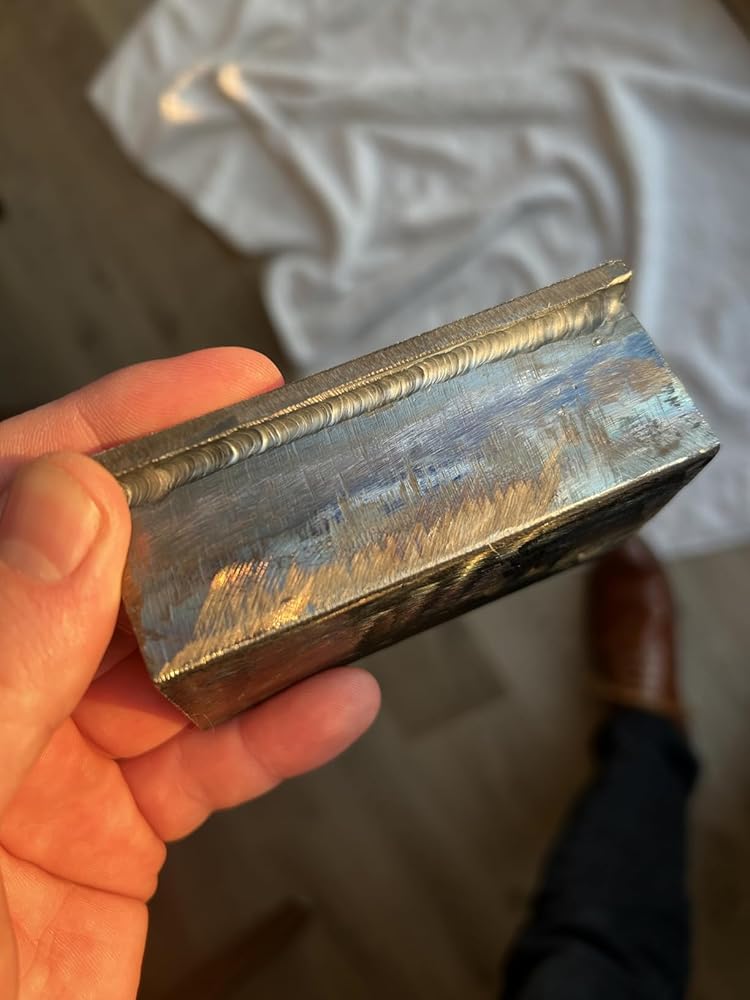
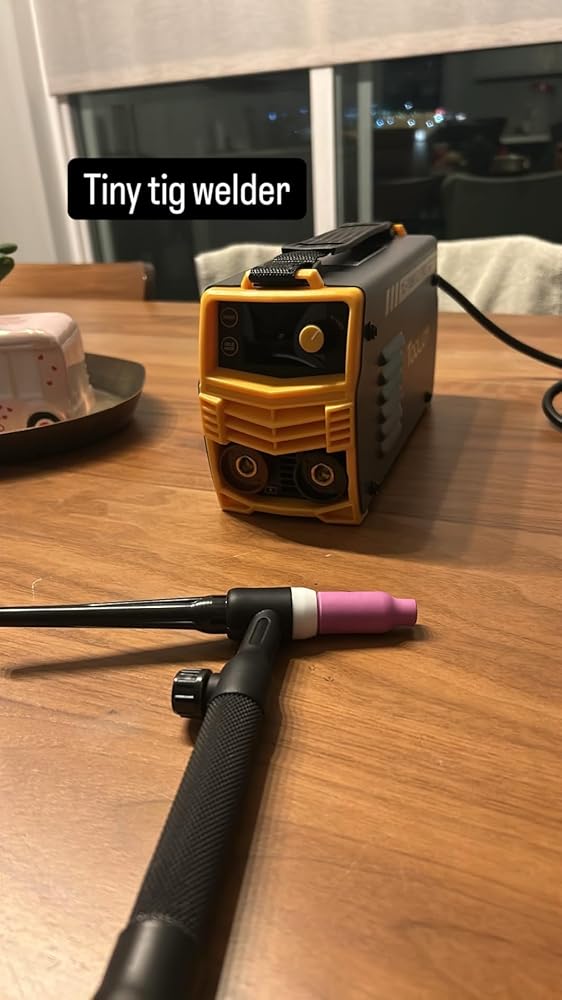
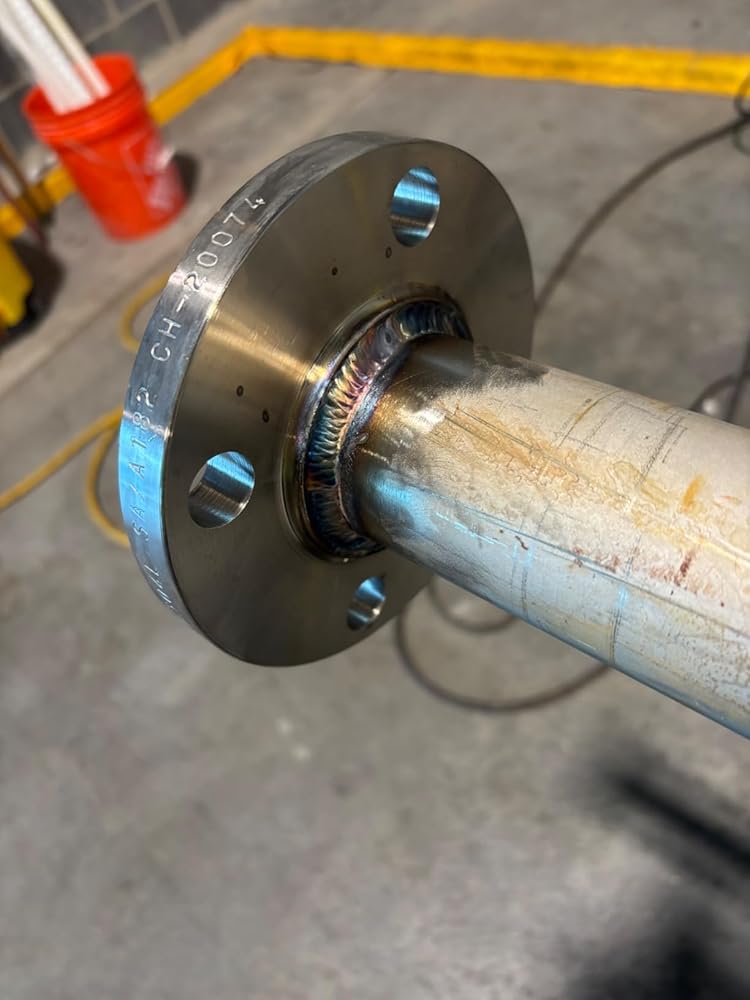
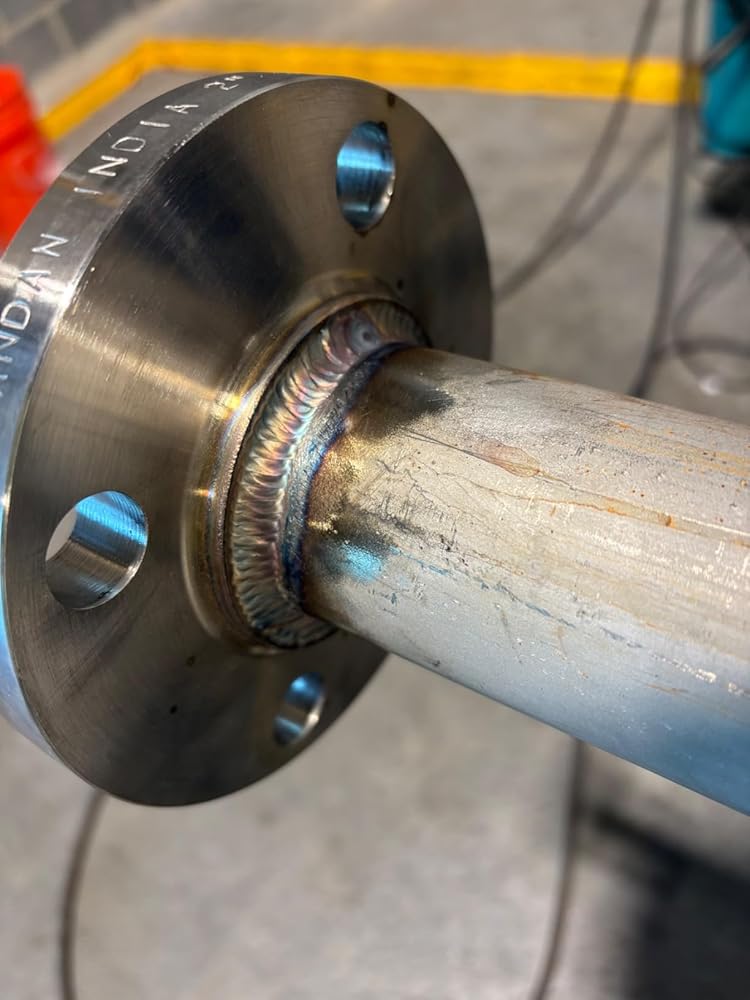



After putting this welder through its paces on everything from rusty farm gates to delicate aluminum projects, I’m convinced it punches way above its price tag. Here’s the real deal:
🔥 The Good Stuff:
- Dual-voltage superhero: Runs smooth on both 110V (for garage tinkering) and 220V (when you need to melt 1/8" rods like butter). My ancient buzz box retired in shame.
- LCD screen FTW: As a TIG newbie, seeing exact amp settings saved me from botching my first aluminum weld. No guessing games!
- VRD = Lifesaver: That "anti-zap" switch kept me from becoming a human sparkler when working in damp conditions.
⚠️ Reality Checks:
- Accessory trap: The "TIG capable" claim is technically true, but you’ll drop another $150+ on argon, torch, etc. (Learned this the hard way).
- 120V struggles: On household circuits, it trips breakers if you push past 3/32" rods. Fine for patio furniture repairs though.
- Ground clamp drama: Like other reviewers, mine fried during a marathon session. Fixed it with hardware store washers – problem solved.
💡 Pro Tips:
1) For stick welding, 6013 rods run like dream fuel here – even my kid could weld with them.
2) Crank arc force to max when using temperamental 6010 rods (trust me).
3) That "hot start" feature? Gold for restarting half-burnt rods mid-weld.
The Verdict? This isn’t your grandpa’s industrial welder – but for $200? I’ve used it to fix tractor buckets, build custom BBQ pits, and even tack-weld exhausts. Just keep expectations realistic: it’s a Honda Civic, not a Ferrari. But damn if it doesn’t get you where you need to go.
 Report
 Share to...


