


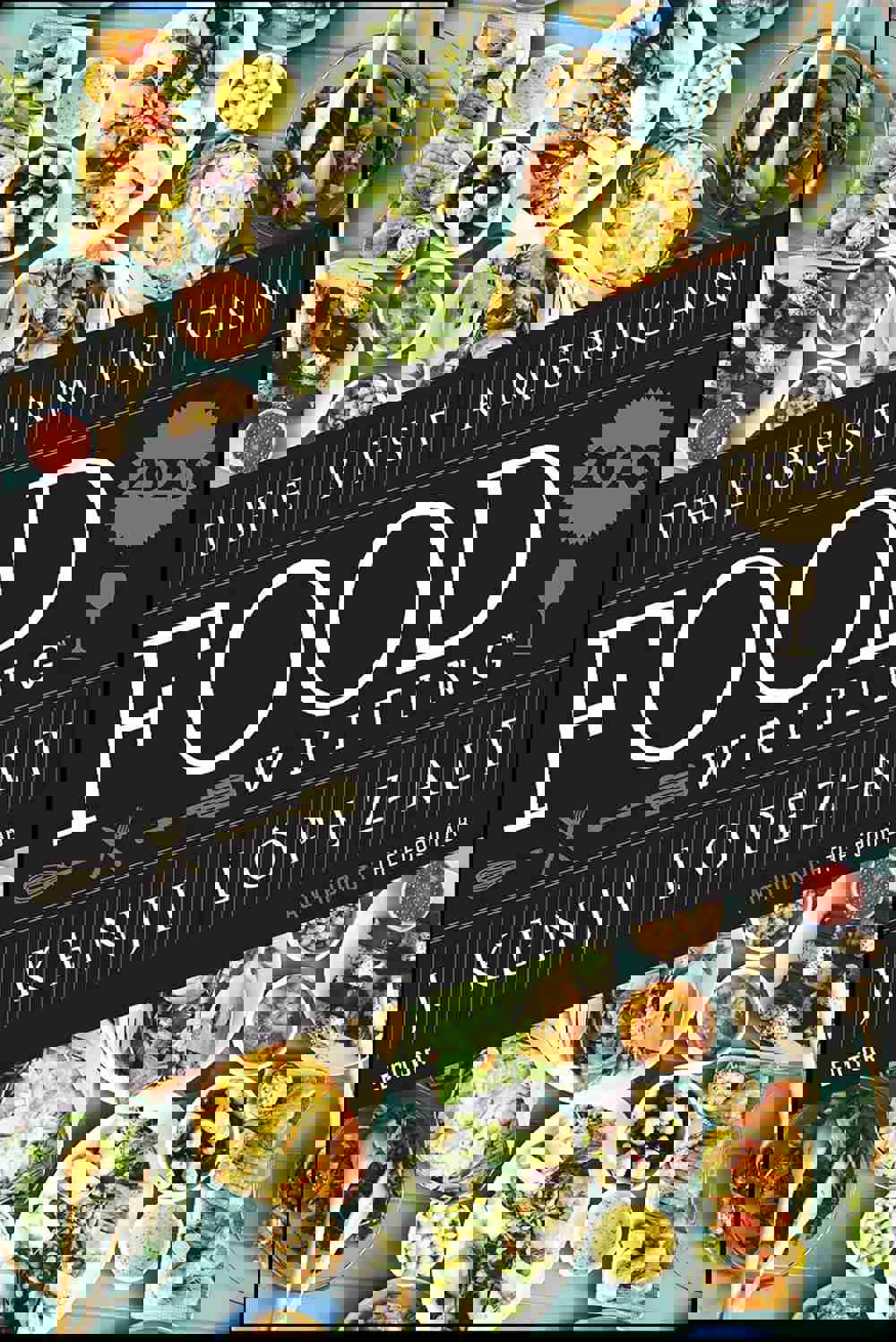



Let me start by saying this anthology is like a perfectly curated tasting menu – each essay delivers a distinct flavor of 2020's food landscape. As someone who devours food writing (pun intended), I found myself highlighting passages on nearly every page.
The standout for me was Kwame Onwauchi's raw account of racism in elite kitchens. Reading it felt like watching a documentary through tear-blurred eyes – you can practically smell the tension in Per Se's sterile kitchen. It's uncomfortable but essential reading for anyone who romanticizes fine dining.
Who knew grits could be weaponized? Cynthia Greenlee's piece about Nashville's spicy revenge traditions had me equal parts horrified and fascinated. I'll never look at my breakfast bowl the same way again – though I did immediately text the story to three friends with cheating exes.
The disability access essay hit close to home after my grandmother stopped dining out due to mobility issues. Laura Hayes exposes how restaurant aesthetics often trump accessibility in brutal detail. I actually put the book down halfway through to audit my favorite spots' wheelchair ramps online.
Pro tip: Don't read the Benihana cultural appropriation piece hungry. Spaeth's analysis of Trader Joe's 'exotic' branding had me side-eyeing my pantry of 'Japanese-y' snacks mid-bite. It's that rare essay that changes how you shop.
My only critique? The pandemic-era pieces already feel slightly dated – like finding last year's menu specials. But Jacques Pepin's omelet philosophy? That's timeless kitchen wisdom worth the cover price alone.
This collection stays on my nightstand because certain essays demand revisiting. The Pete Luger #MeToo exposé still gives me chills months later, while Bilger's baby food investigation makes brilliant shower thoughts material.
 Report
 Share to...


