


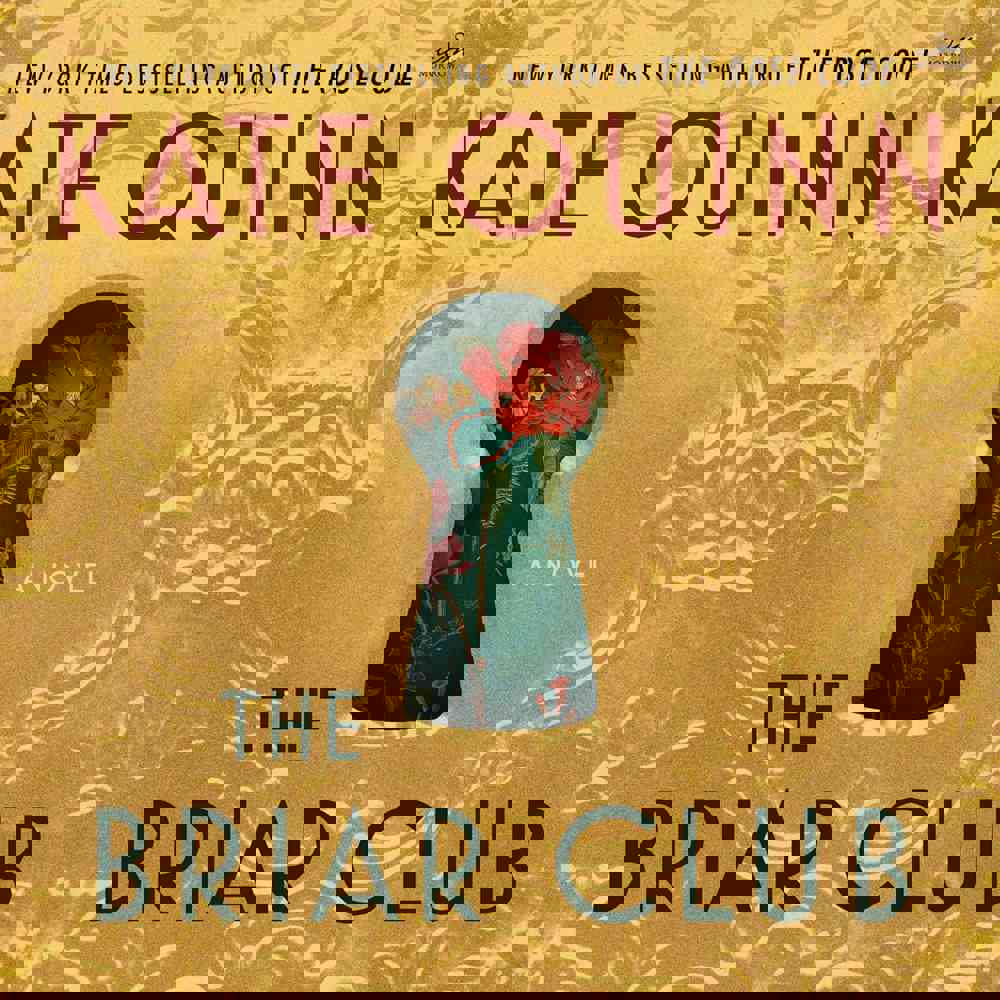


Let me start by saying, The Briar Club isn't just a book—it's an experience. The unique narrative perspective of the house itself immediately pulls you into its world. It's like being a silent observer in the corner of every room, privy to secrets and emotions that even the characters might not fully grasp.
The characters are so vividly drawn that they feel like real people. Mrs. Nilsson, for instance, is a complex figure whose decisions will have you oscillating between frustration and sympathy. Her flaws make her human, and that's what makes her so compelling.
Not every character is likable, though. There's one housemate whose indifference grated on me—but that tension actually adds to the realism. In any shared living space, not everyone gets along perfectly, right?
The way food is woven into the story is genius. Each recipe shared feels like another layer of character development—you learn about their pasts, their cultures, their hopes through what they cook. It's a brilliant device that makes the story even more immersive.
The historical backdrop of post-WWII America isn't just scenery—it actively shapes these women's lives in profound ways. From McCarthyism to women's baseball leagues, these historical threads are integrated so naturally you'll find yourself Googling facts afterward.
That twist? I won't spoil it, but when it comes—wow. It reframes everything you thought you knew about one particular character in the most satisfying way possible.
This isn't a book you'll forget quickly. Days after finishing, I found myself thinking about these women as if they were real people I'd met somewhere. That's how powerful Kate Quinn's storytelling is here.
 Report
 Share to...


