


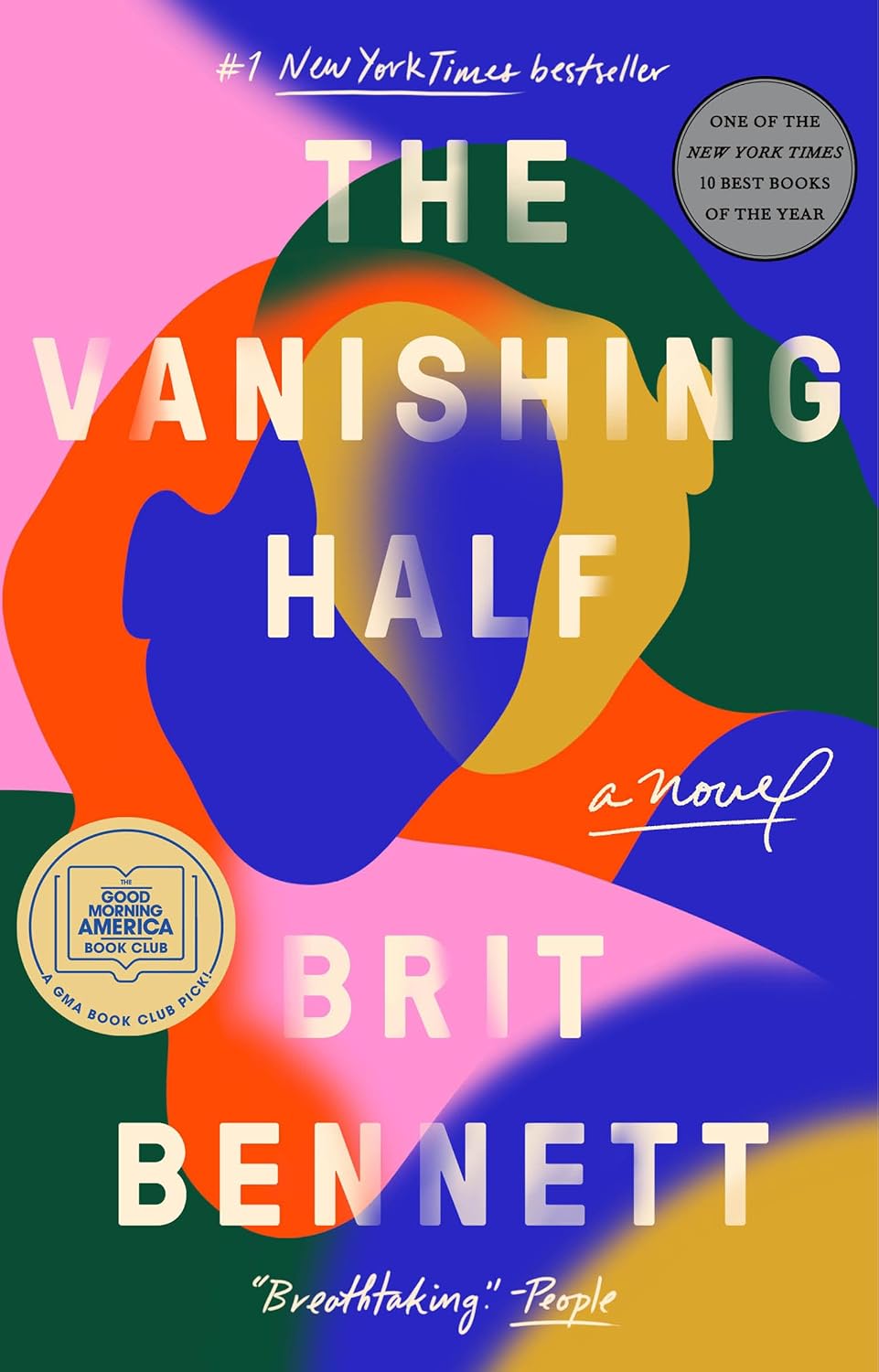


Brit Bennett's *The Vanishing Half* isn't just a novel—it's an emotional excavation of racial identity, sisterhood, and the lies we tell to survive. I devoured this book in three sittings (yes, it's that addictive), and here's why it deserves a permanent spot on your shelf.
**The Good Stuff:** The prose is liquid gold—smooth yet piercing. Bennett’s description of Mallard, a town obsessed with light skin, feels eerily tangible. When Stella chooses to 'pass' as white, her internal panic during mundane moments (like sweating through her blouse on a hot day) had me holding my breath. Meanwhile, Desiree’s return to Mallard with her dark-skinned daughter Jude delivers scenes so raw, I had to pause and reread paragraphs just to absorb the weight.
**Real Talk About Flaws:** The timeline jumps can feel like whiplash initially. One chapter you're in 1968 with teenage Stella sneaking into segregated libraries; the next, you're in the '90s with Jude sprinting on a college track team. But stick with it—the disjointedness mirrors how trauma fractures memory, and everything clicks by Part Two.
**Unforgettable Scenes:** Stella’s daughter Kennedy—a spoiled blonde actress obliviously benefitting from her mother’s lie—made me groan aloud. Yet Bennett redeems her with layers (that cringe-worthy community meeting where Stella shouts racist rhetoric? Chilling.). And Early Jones, Desiree’s quietly devoted childhood sweetheart? Swoon-worthy without being saccharine.
**Who It’s For:** If you loved *An American Marriage* or *The Mothers*, this is your next obsession. Perfect for book clubs—prepare heated debates about whether Stella is cowardly or cunning. (Pro tip: Read with wine; you’ll need it for the jaw-dropping reunion scene.)
**Final Verdict:** 4.8/5. Minus points only for making me ugly-cry at 2AM. HBO’s adaptation better do justice to Bennett’s masterpiece.
 Report
 Share to...


