


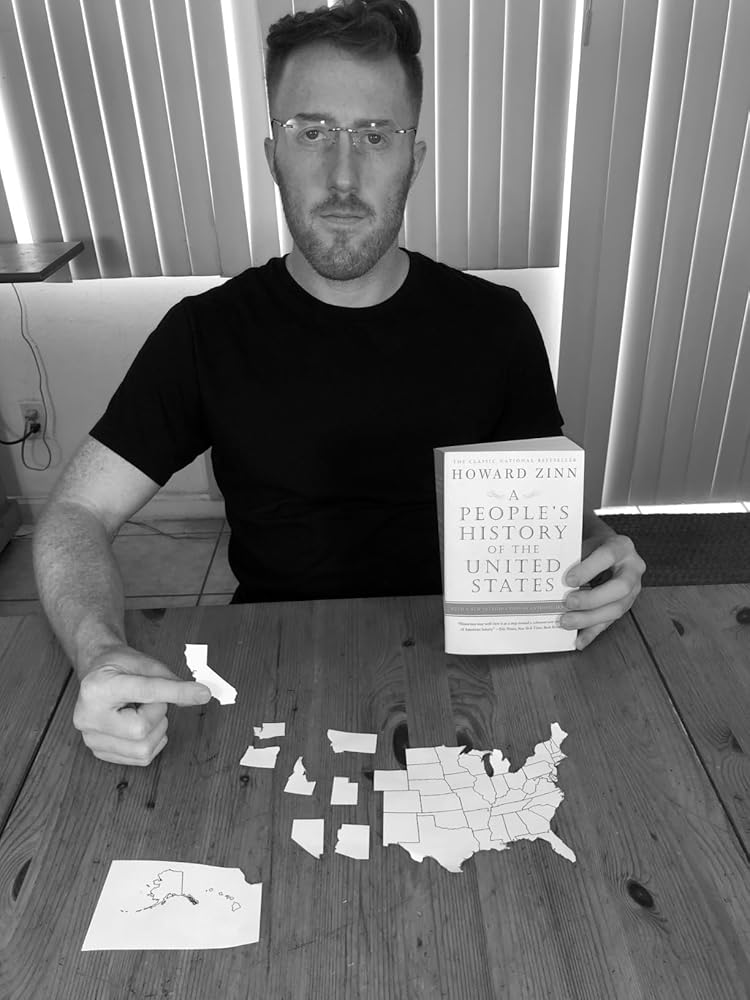



Howard Zinn's A People's History of the United States isn't your typical history book. Forget the sanitized versions you learned in school—this one hits you with raw, unfiltered truths about America's past. As someone who grew up reciting the Pledge of Allegiance, reading this felt like peeling back layers of propaganda.
The book’s greatest strength? It flips the script. Instead of glorifying Columbus, Zinn exposes the genocide of Native Americans—something my textbooks glossed over with a single paragraph. The chapter on slavery? Brutally honest about how foundational it was to America’s economy. I found myself pausing constantly, thinking, Why wasn’t I taught this?
But it’s not just about shock value. Zinn meticulously cites rebellions, strikes, and grassroots movements that shaped the nation—voices usually erased from mainstream narratives. The 1877 railroad strike or Reagan’s gutting of social programs? These aren’t footnotes; they’re central to understanding systemic inequality.
Critics argue Zinn leans too left (he does), and some sections feel rushed (Bush Jr.’s era gets scant attention). Yet even if you disagree with his politics, the evidence—like stats on wealth disparity—is undeniable. My copy is now dog-eared and highlighted to death.
Fair warning: This isn’t bedtime reading for patriots. But if you want history that doesn’t sugarcoat exploitation, corruption, and resistance? Essential. Pair it with traditional textbooks for balance—your perspective on ‘land of the free’ will never be the same.
 Report
 Share to...


