


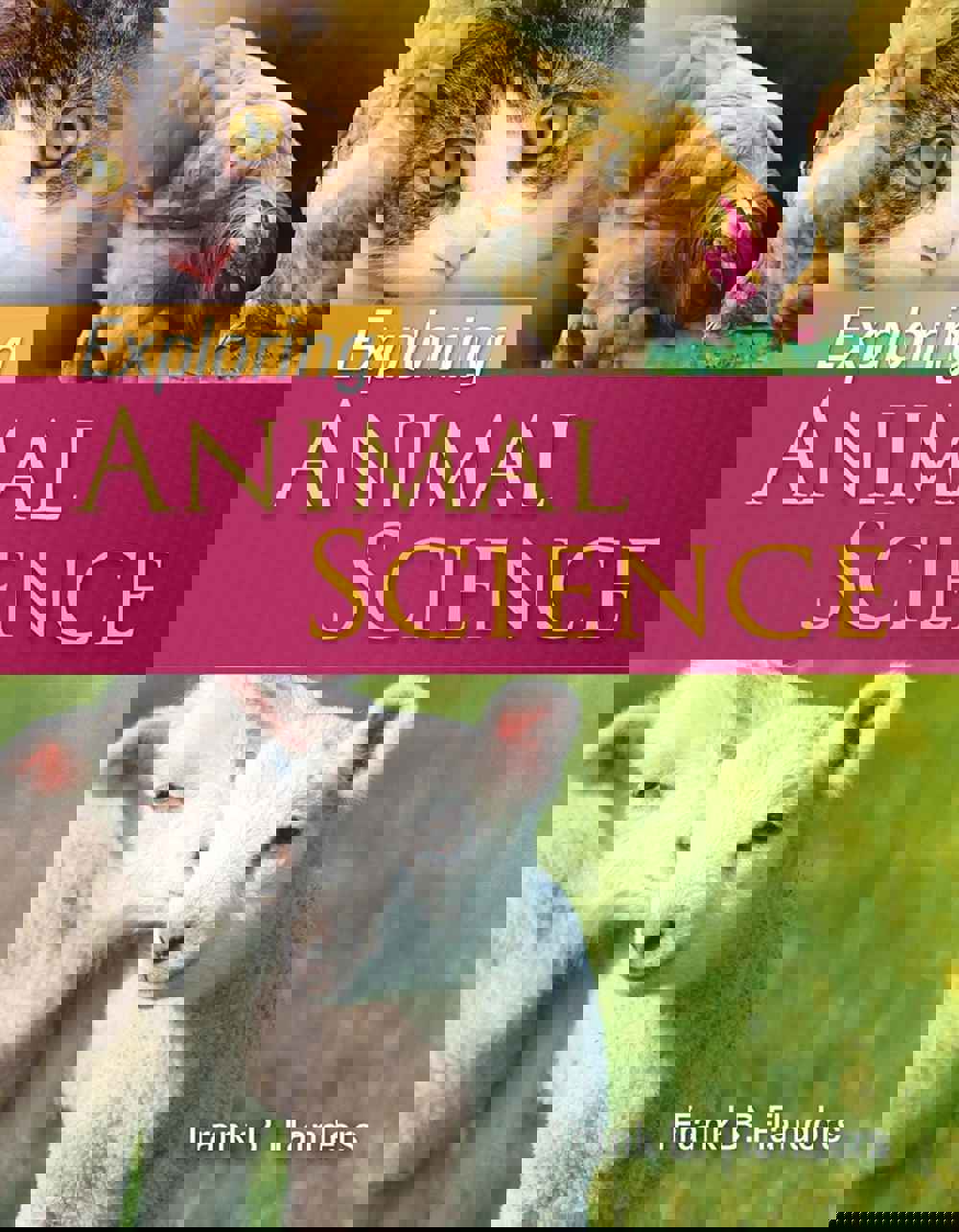


Let's talk about 'Exploring Animal Science'—a book that feels like a crash course in animal biology, genetics, and husbandry all rolled into one. At first glance, the price tag might make you hesitate, but trust me, the depth of knowledge packed into these 922 pages justifies it.
The book excels as an introductory resource, especially for those dipping their toes into animal science. It’s structured like a 4H course but with a heavier emphasis on scientific principles. The side definitions and illustrations are lifesavers for visual learners, breaking down complex topics into digestible bits.
Now, onto the quirks. The use of 'cytoplasm' felt oddly archaic—like stumbling upon a vintage term in a modern textbook. But credit where it’s due: Dr. Flanders defines it with precision, making it tolerable even for someone who cringes at outdated jargon.
Where I raised an eyebrow was Section 3 on animal reproduction. The discussion on inbreeding, closebreeding, and linebreeding leans heavily toward large-scale production methods. As a small-scale breeder myself, I found this section oversimplified. In reality, linebreeding and even limited inbreeding are tools many of us rely on—especially when sourcing new stock isn’t an option.
Despite these gripes, the book shines in its breadth. From rabbits to ratites, llamas to game birds, it covers an impressive range of species. I used it to teach a high school adult education course, and the students loved it—proof that it’s accessible yet thorough.
Final verdict? If you can overlook a few dated terms and niche disagreements, this is a goldmine for anyone serious about animal science. Just don’t expect it to replace hands-on experience—it’s a companion, not a shortcut.
 Report
 Share to...


