


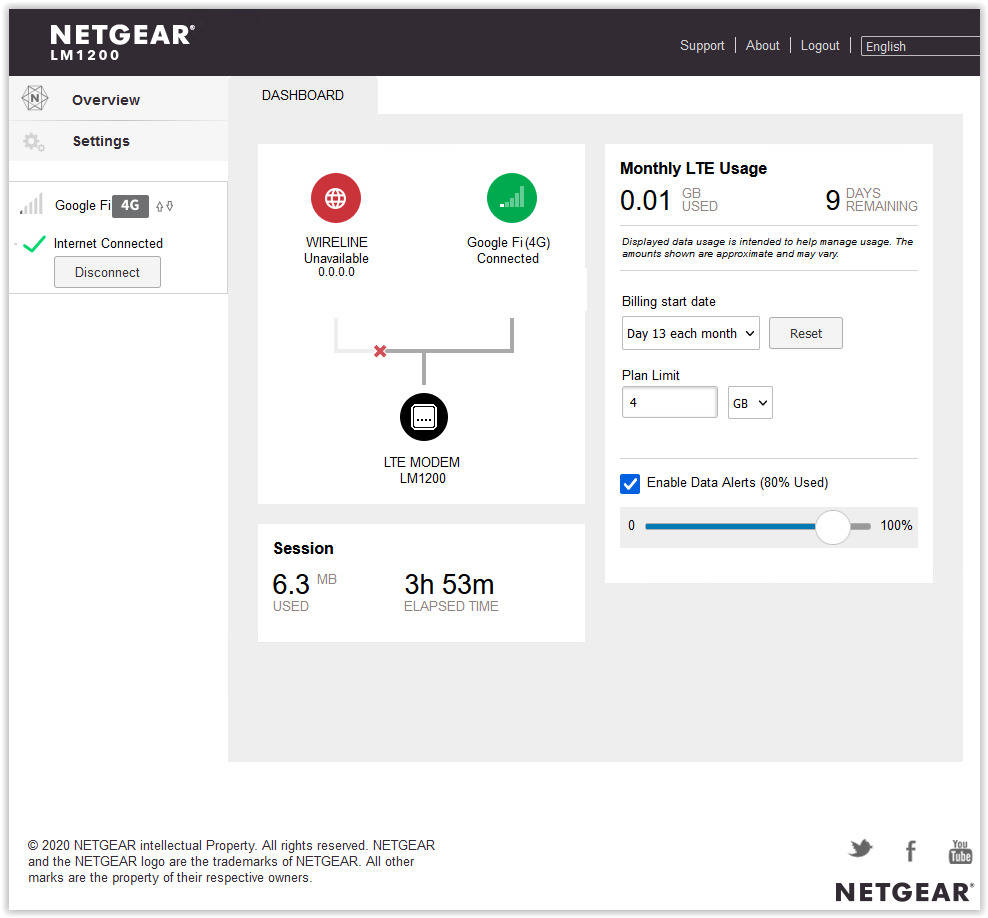
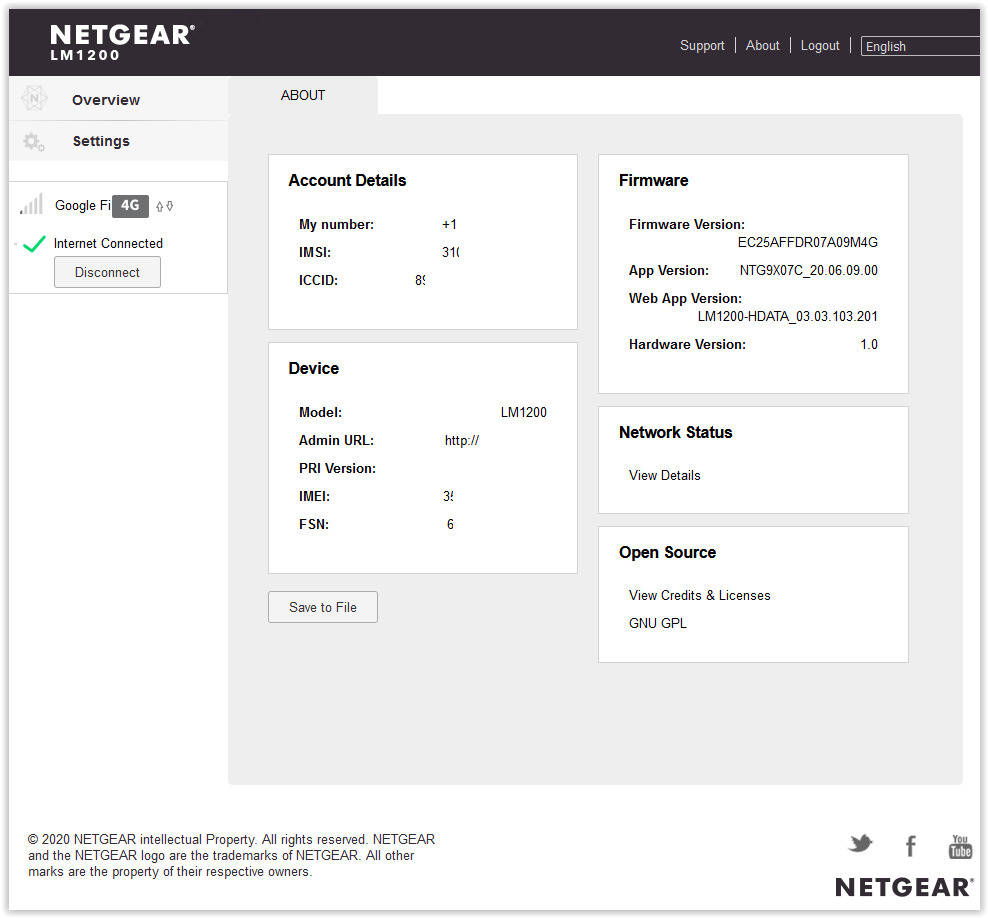
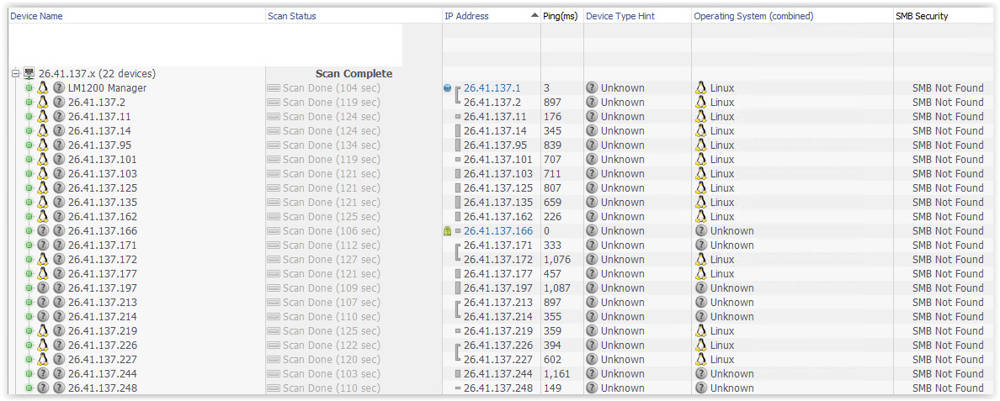



Let me start by saying, if you're like me and live in an area where traditional internet options are either unreliable or non-existent, the NETGEAR LM1200 is a game-changer. I've been using it as my primary internet source for the past few months, and here's the real deal.
The Good: First off, setup was surprisingly easy. Walked into my carrier's store with the unopened box, they scanned the IMEI, popped in a SIM card, and bam – I had internet within minutes. The web interface is straightforward (though you must connect via Ethernet to access it – more on that later). For $110, having LTE as a backup when my cable goes down is priceless.
The Not-So-Good: That internal antenna? Basically useless in low-signal areas. My Pixel 6 gets full bars in the same spot where the LM1200 struggles. Had to invest $7 in whip antennas which helped marginally. Also, why USB-C power instead of standard 12V? Makes off-grid setups needlessly complicated.
Real-World Performance: Using it with a booster (because rural life), I get about 6Mbps down – not gaming speeds but enough for streaming and work. Pings range 40-100ms. Connected it to a normal WiFi router for whole-house coverage, and now even visitors can connect when their cell service fails (which is often out here).
Security Concerns: Big red flag – the web interface uses HTTP only (hello, 2002 called). Anyone on your network could potentially sniff your credentials since everything's transmitted in clear text. Netgear's response? "It's a home product." Yikes.
Final Verdict: For $110, it solves my rural internet problems despite its flaws. Would I trust it for business-critical failover? Not without serious security upgrades. But for keeping Netflix running during cable outages? Absolutely worth it.
Pro Tip: Pair with an Asus router that supports WAN failover for seamless switching when your main internet drops.
 Report
 Share to...


