


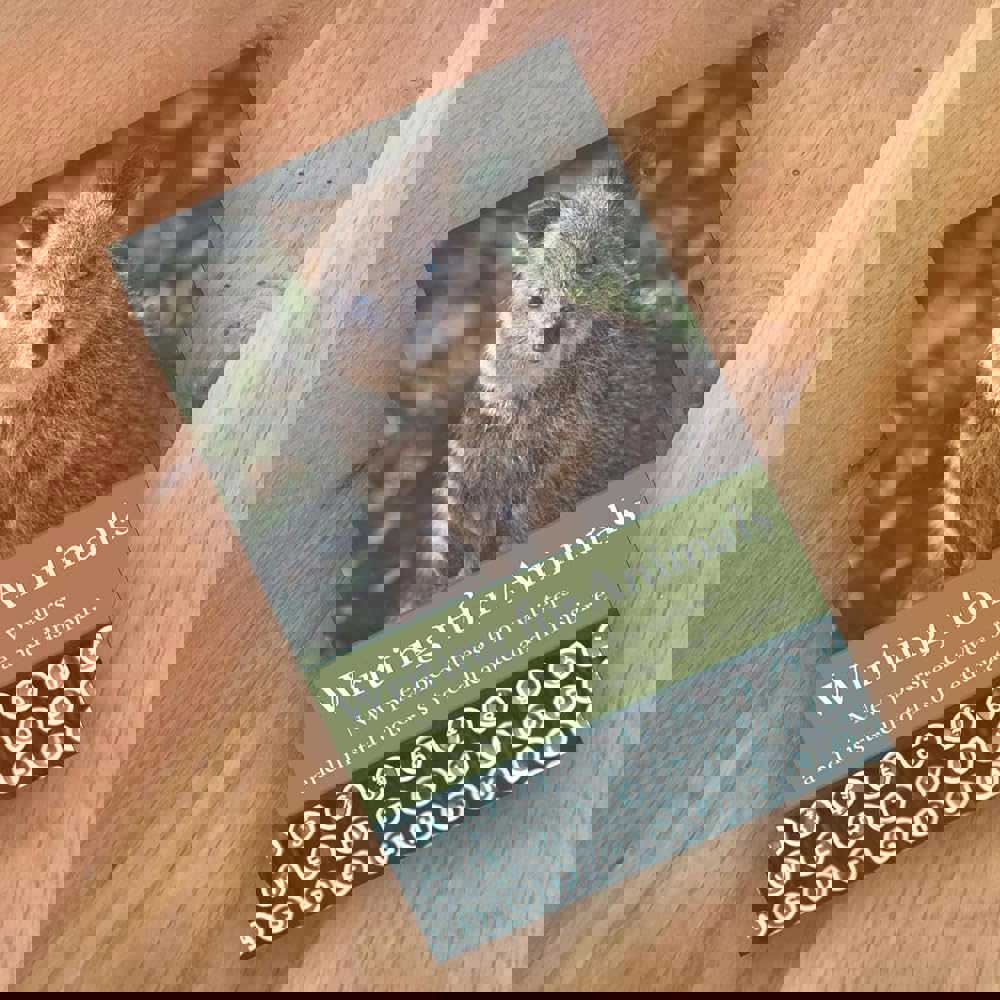
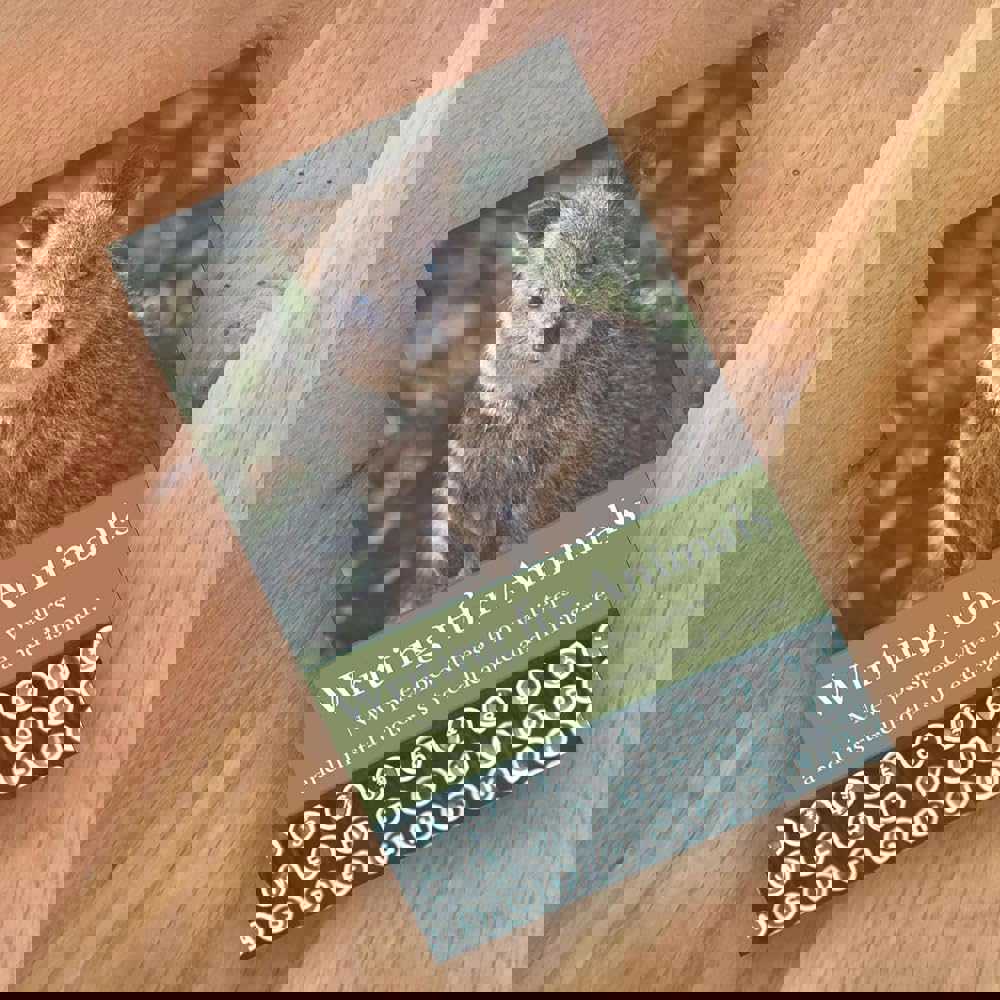



Let me tell you, as someone who's struggled with animal representation in writing, this book was like finding water in a desert. The moment I cracked it open while sipping my morning coffee, I knew it was different. This isn't just another 'how to write about animals' guide - it's a manifesto for ethical storytelling.
The real magic happens when you're deep into your writing session and suddenly catch yourself about to use phrases like 'kill two birds with one stone.' That's when this book's lessons kick in. I've completely overhauled my vocabulary - now I say 'feed two birds with one scone' instead. Small changes? Maybe. But they add up to a seismic shift in perspective.
What blew me away was the Cujo analysis. As a horror fan who'd avoided that novel for years, the breakdown of King's nuanced portrayal made me immediately download it. That section alone is worth the price of admission - it shows how even in horror, we can treat animal characters with dignity.
The practical advice here is gold dust for writers. I recently rewrote an entire chapter of my fantasy novel after reading Beth Lyons' section on advocacy in fantasy worlds. My dragon characters went from mere plot devices to fully realized beings with agency - and my beta readers noticed the difference immediately.
If I had one critique? Like other reviewers, I wish there was more! Some sections left me hungry for deeper dives (especially the letters from the Ashland deer - what a brilliant concept!). But that's the mark of a great book - it leaves you inspired to explore further on your own.
Pro tip: Keep this on your desk while editing. I can't count how many times I've flipped through it mid-revision to check if I'm staying true to its principles. It's become my ethical writing compass.
 Report
 Share to...


