


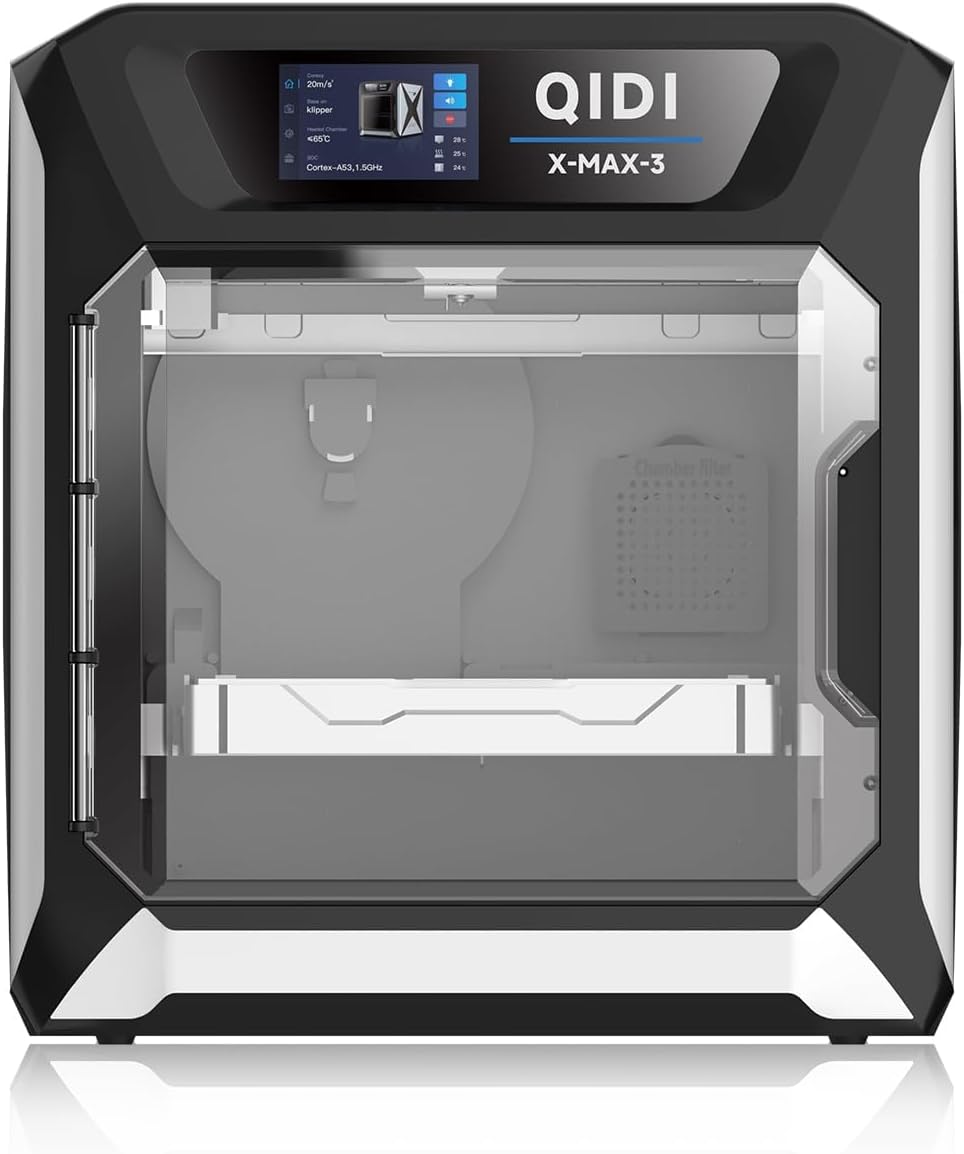
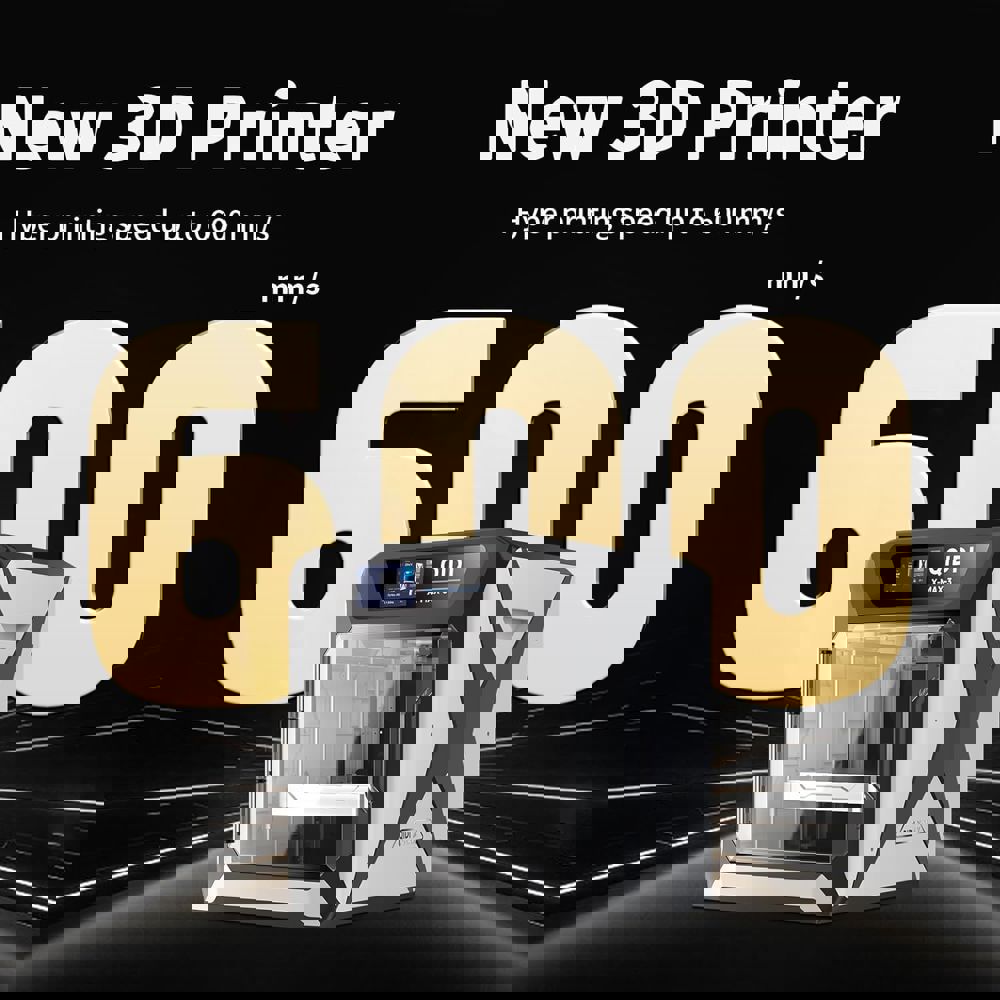
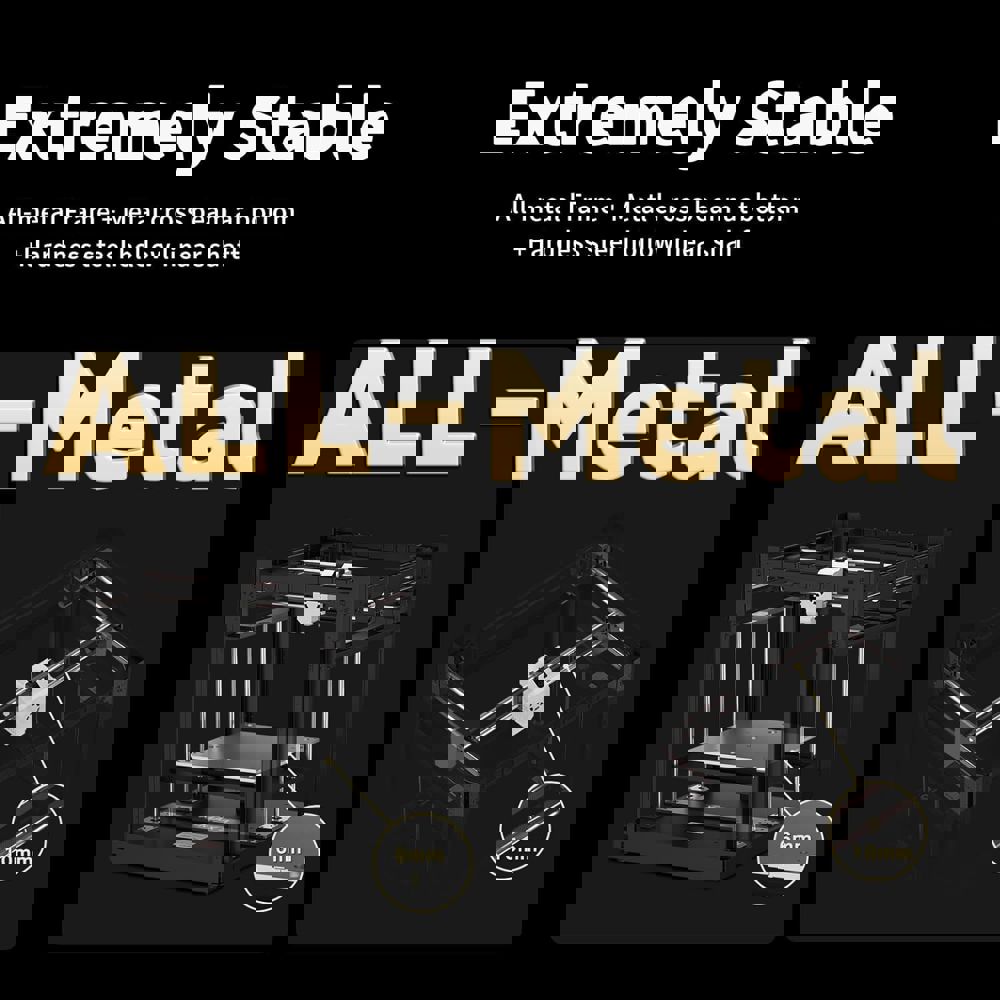
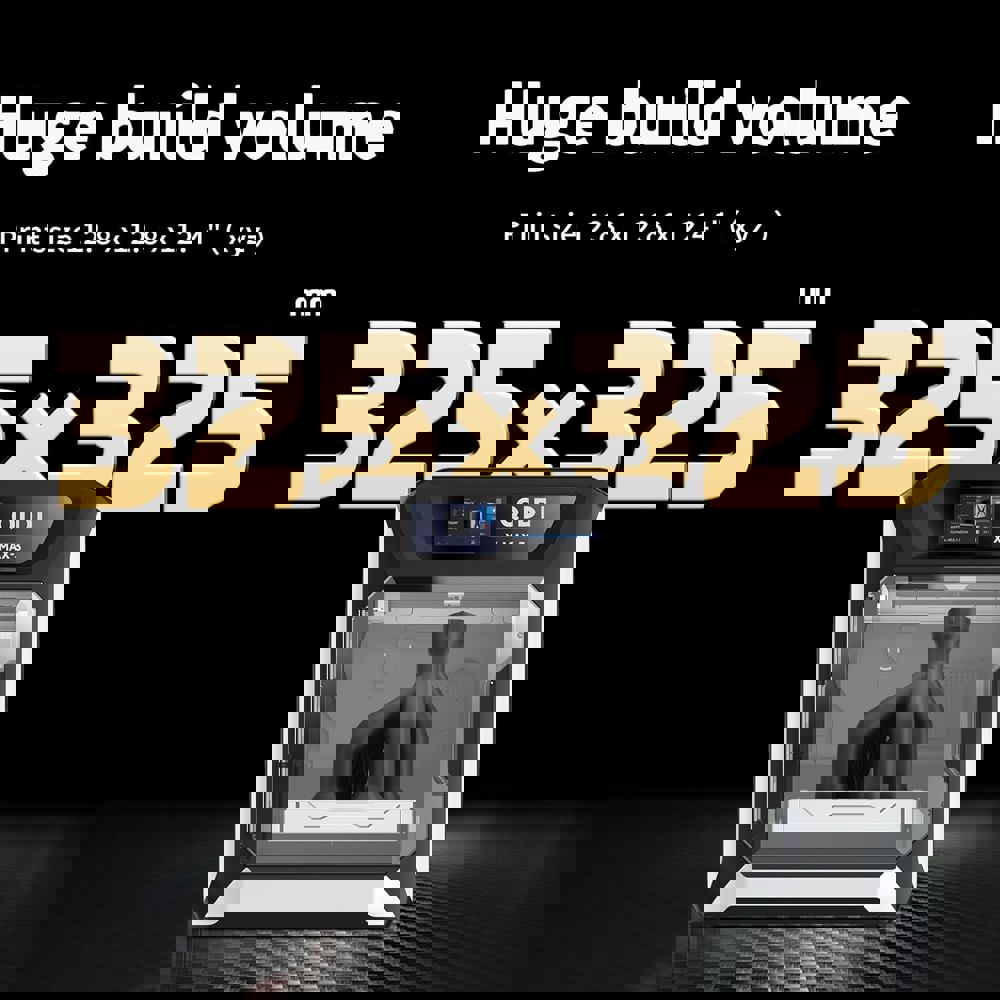



Let me start by saying the QIDI MAX3 is a beast of a 3D printer. The first thing that struck me was how massive the build volume is (325x325x315mm). I printed a full-sized helmet in one go – no slicing or gluing required! The 600mm/s speed isn’t just marketing fluff either. Watching this thing zip through layers while maintaining quality feels like witnessing black magic.
The auto-leveling works flawlessly – I haven’t had to manually adjust the bed even after dozens of prints. The enclosed chamber heating to 65°C makes ABS printing actually enjoyable (no warping nightmares!). Though fair warning – it takes about 20 minutes for the chamber to fully heat up, so plan accordingly.
Some standout features I didn’t expect:
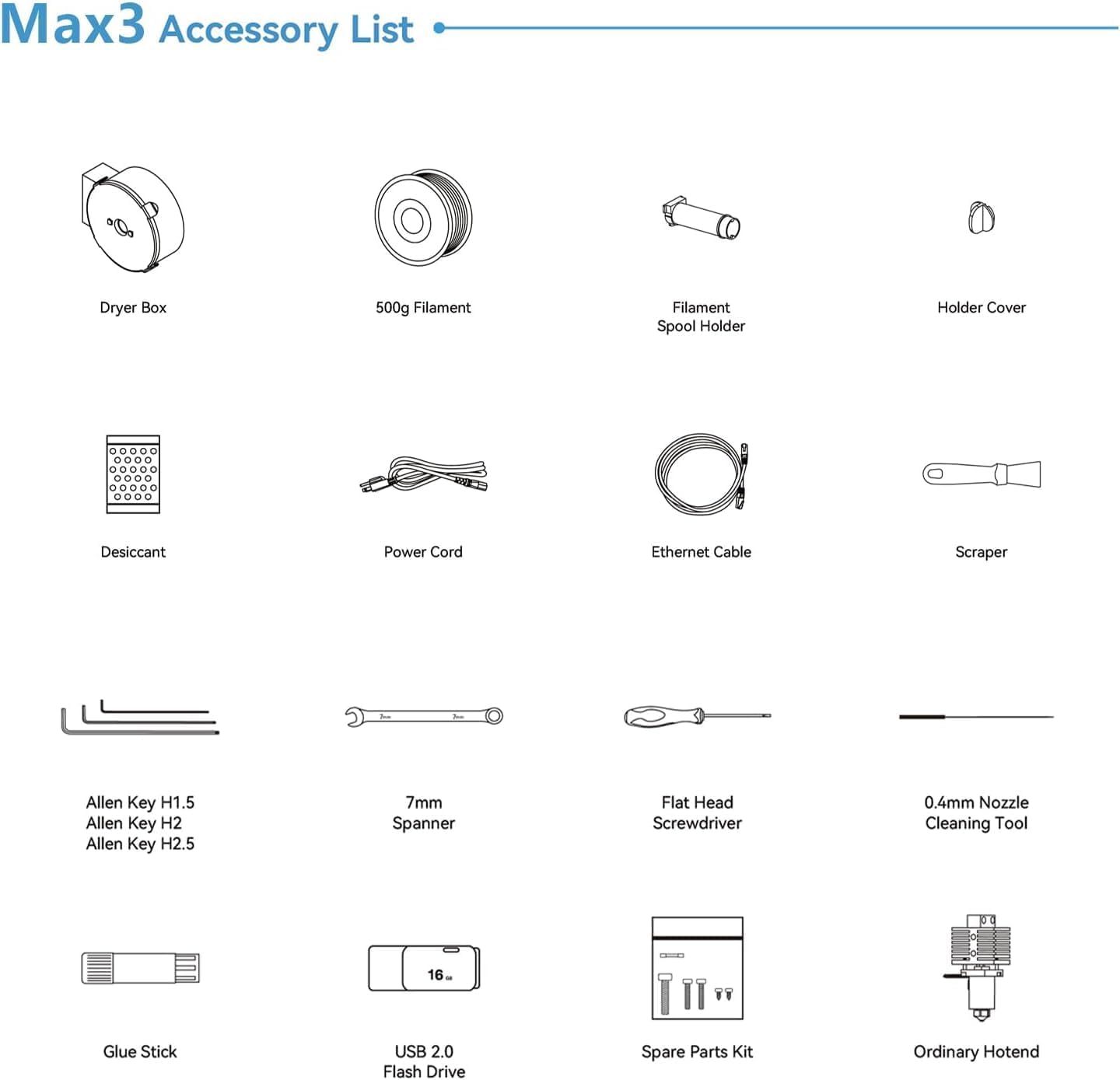
- The filament holder has built-in desiccant slots (genius!)
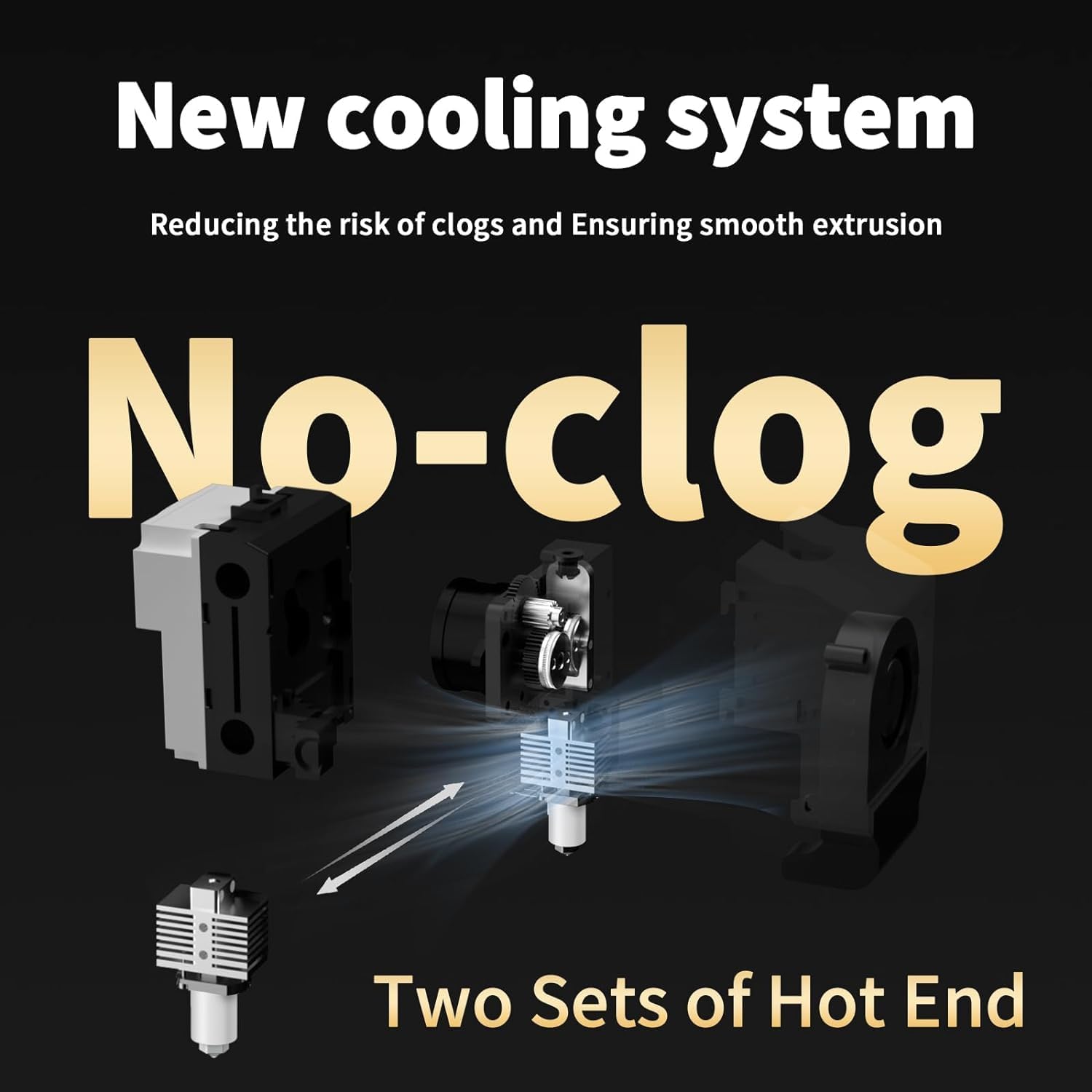
- Comes with TWO hot ends (copper-plated and hardened steel)
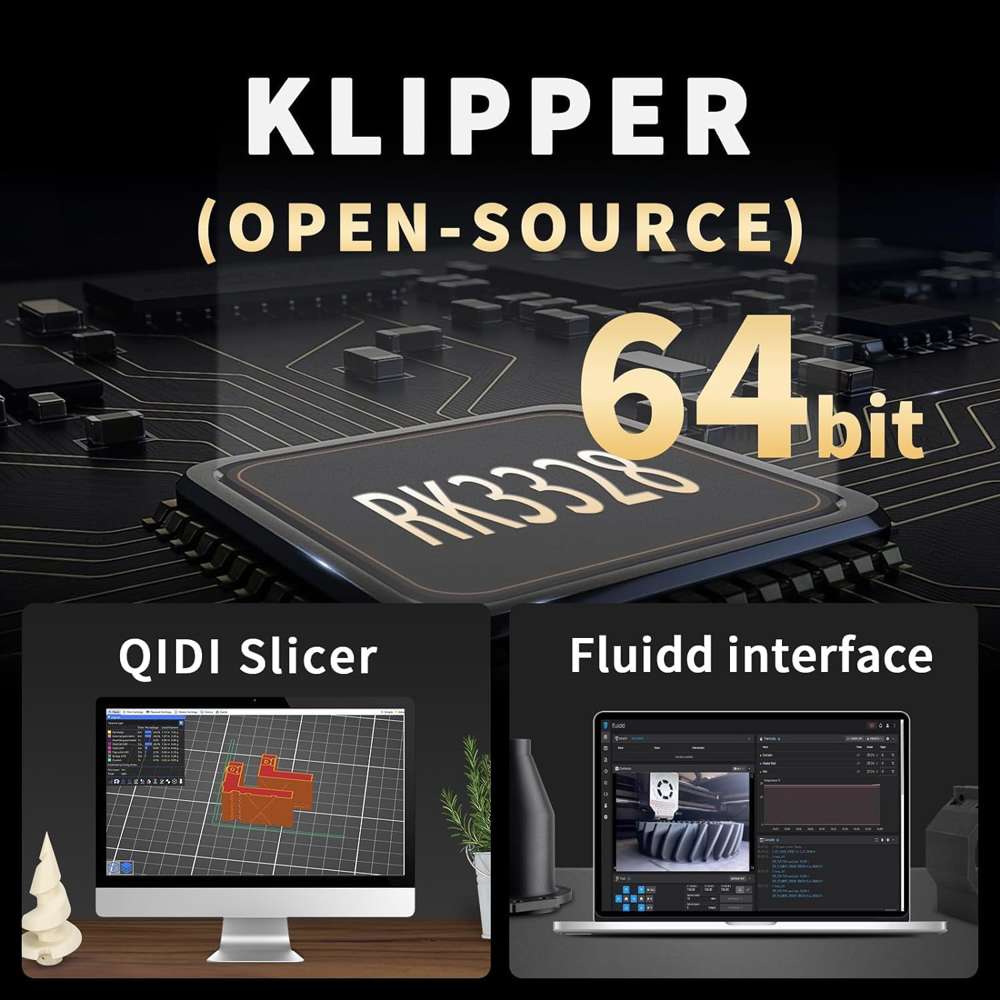
- Pre-installed Klipper firmware with useful add-ons like KAMP
The slicer is basically PrusaSlicer with QIDI branding – which means it’s powerful and familiar. I did struggle getting Orca Slicer profiles working perfectly though. Pro tip: Let the bed heat-soak for 5-10 minutes before printing to prevent warping.
Now for the quirks:
- No built-in camera (seriously QIDI?)
- LED lighting only in front makes back visibility poor
- That top cover design needs work – removing it for cleaning feels awkward
After printing everything from PLA to nylon-CF, I can confidently say this handles advanced materials better than printers twice its price. Just be prepared to tweak settings for exotic filaments. The direct drive extruder hasn’t clogged once in my testing.
Is it perfect? No. But for under $1k, you’re getting industrial-grade features that make other "prosumer" printers look like toys. If you need big prints fast without constant tinkering, this might be your endgame machine.
 Report
 Share to...


