


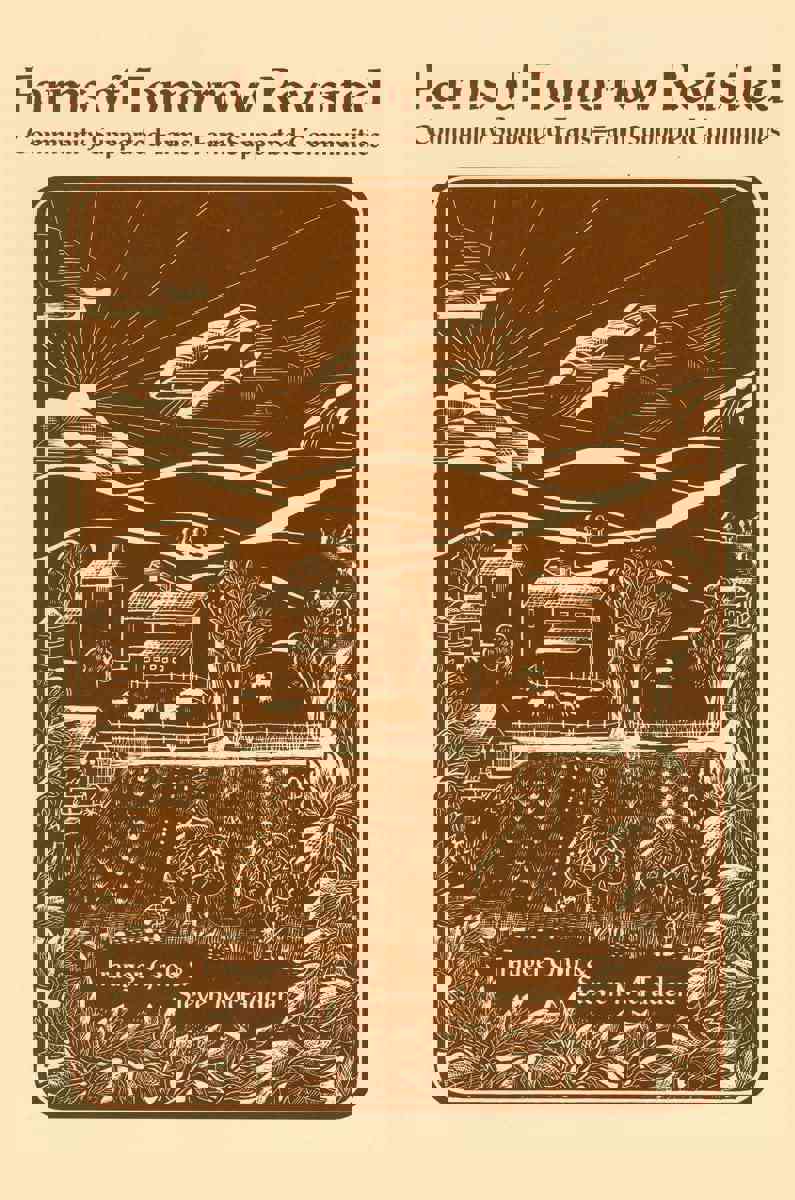


As someone who recently joined a CSA and has been exploring sustainable farming, this book felt like a revelation. The blend of philosophy and practical advice makes it stand out from typical farming literature.
The essays by Trauger Groh particularly resonated with me. His European perspective on biodynamic farming offers refreshing alternatives to conventional agriculture. I found myself nodding along to his thoughts on farm animals' role - something I'd never deeply considered before joining my local CSA.
What surprised me most was the financial blueprint section. Seeing actual budgets from working CSAs helped me understand why my weekly vegetable share costs what it does. The sample marketing materials gave me ideas for promoting our own small urban garden collective.
The book isn't perfect though - some philosophical sections get quite abstract. I had to re-read passages about 'associative economy' multiple times. Also, being originally published in 1990, some examples feel dated despite the 1997 update.
Practical highlights include the three rules of holistic farming, especially #2 about minimizing external purchases. This changed how I view our backyard garden - we've started composting and seed-saving more seriously after reading this.
For anyone considering joining or starting a CSA, this provides both inspiration and cautionary tales. Just be prepared for some heavy philosophical lifting between the extremely practical advice sections.
 Report
 Share to...


