


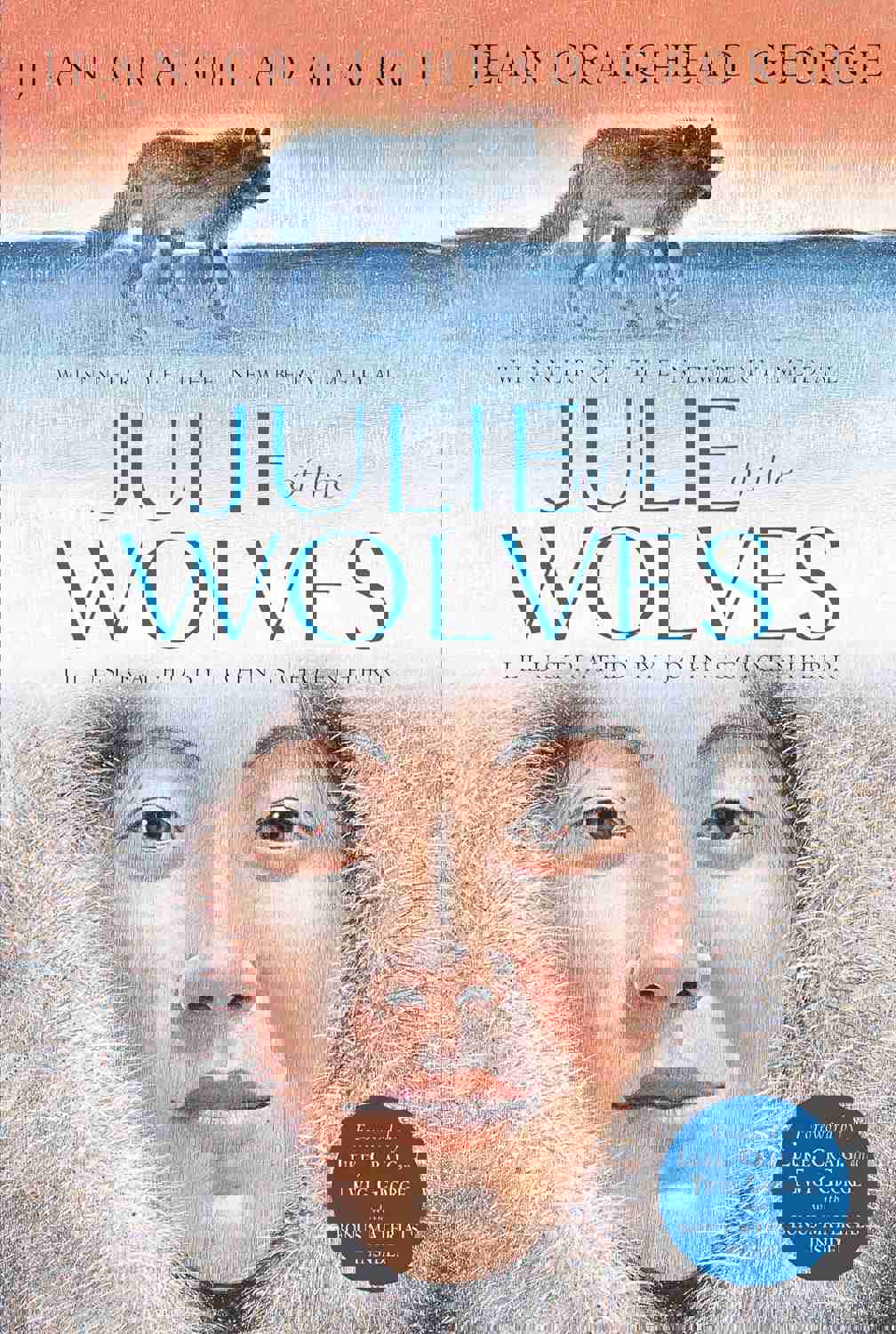


Let me start by saying this book feels like holding a piece of the Arctic in your hands. The HarperClassics edition has this wonderfully sturdy cover that makes you feel like you're about to embark on an adventure - which you absolutely are.
The story hits you right in the feels from page one. Julie's struggle for survival in the frozen wilderness is so vivid, I found myself shivering even while reading in my warm living room. That moment when she first communicates with the wolves? Absolute chills (and not just from the Arctic setting).
What surprised me most was how this 'children's book' doesn't pull punches. The themes of cultural identity, survival, and even domestic abuse are handled with surprising depth. I caught myself forgetting it was meant for younger readers - the emotional weight is that powerful.
The three-part structure is genius. Starting in media res with Julie's wilderness survival, then flashing back to her backstory, creates this wonderful tension where you're constantly piecing together her journey like an Inuit puzzle.
My only tiny gripe? Sometimes I wanted more detail about Julie's wolf companions. Their interactions are magical, but I would've loved even deeper insights into their pack dynamics. That said, this might just be my inner wolf-nerd talking.
Reading this as an adult gave me chills of a different kind - realizing how much environmental and cultural commentary is woven into what seems like a simple survival story. That final line about pointing her boots toward Kapugen still gives me goosebumps when I think about it.
Pro tip: Keep tissues handy for Part Three. Even if you're not usually a crier (I'm not), something about Julie's final choices hits differently when you're older and understand the weight of such decisions.
 Report
 Share to...


