


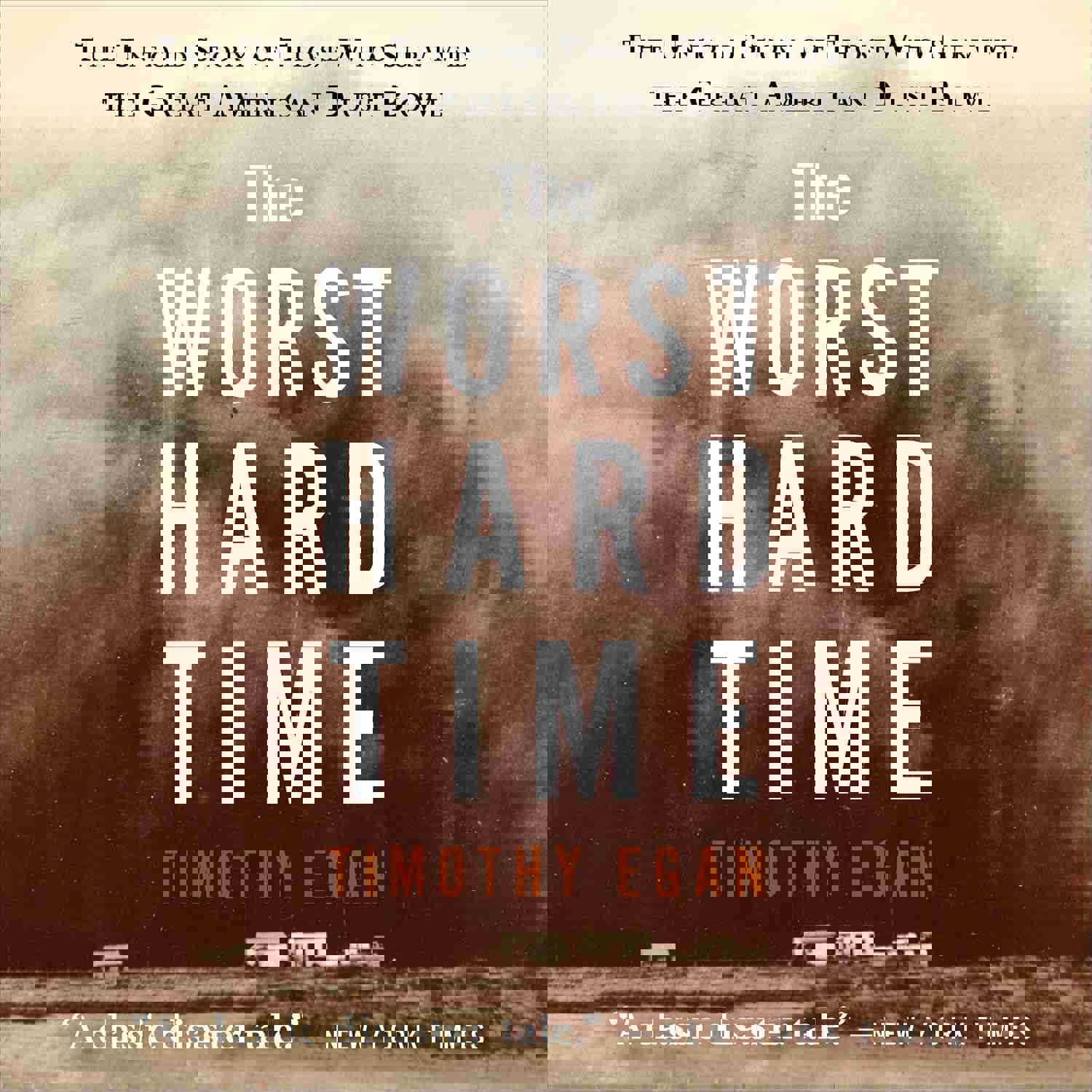


Reading this book felt like swallowing grit – in the best way possible. Egan doesn't just describe the dust storms; he makes you feel the static electricity crackling in your hair, taste the dirt between your teeth, and hear the ominous roar of black blizzards approaching.
What shocked me most wasn't the environmental disaster (though those chapters left me coughing reflexively), but how intimately Egan captures human stubbornness. These weren't passive victims – they were people who chose to stay in hell because it was theirs. That paradox kept me up at night.
The diary excerpts wrecked me. One entry about a mother brushing inches of dust off her children's faces each morning hit harder than any statistics about acreage destroyed. Egan balances these visceral moments with sharp analysis of political failures – showing how Hoover's indifference contrasted starkly with FDR's New Deal solutions.
This isn't dry history. When Egan describes a 1935 storm that dumped 12 million tons of Chicago-street dust on East Coast cities, I actually went to check my windows. The book's greatest achievement? Making readers understand that the Dust Bowl wasn't just weather – it was the land exacting revenge for human arrogance.
 Report
 Share to...


