


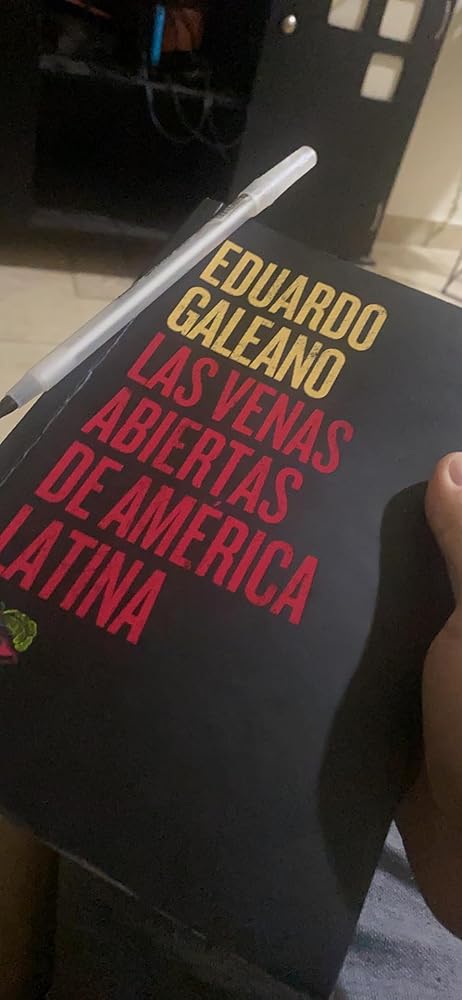


Reading Galeano's 'Las Venas' feels like holding a bleeding map of Latin America in my hands. The way he traces silver veins from Potosí to European banks makes me run my fingers over Bolivia's mountains on Google Earth, imagining the empty tunnels left behind.
I first opened this book during the 2020 lockdown while Brazilian favelas lacked oxygen tanks. The parallels between colonial resource extraction and modern medical apartheid hit me like a gut punch - Galeano's words from 1971 diagnosing our current ICU shortages.
What shocked me most wasn't the historical theft, but how Galeano predicted today's digital colonialism. When he writes 'la diosa tecnología no habla español,' I glance at my iPhone assembled with Congolese minerals - realizing Silicon Valley just replaced Potosí's silver mines.
The chapters about coffee plantations read differently after working remotely from Colombia last year. Watching pickers harvest beans for my morning brew while earning $3/day made Galeano's analysis vibrate through my bones. His words transformed that Starbucks receipt in my pocket into a colonial ledger.
This isn't just history - it's an X-ray machine. When Galeano describes how 'development' deformed Latin America's economic skeleton, I finally understood why our nations limp while others sprint. Keep tissues handy; you'll weep when realizing your country's poverty wasn't accidental, but architected.
 Report
 Share to...


