


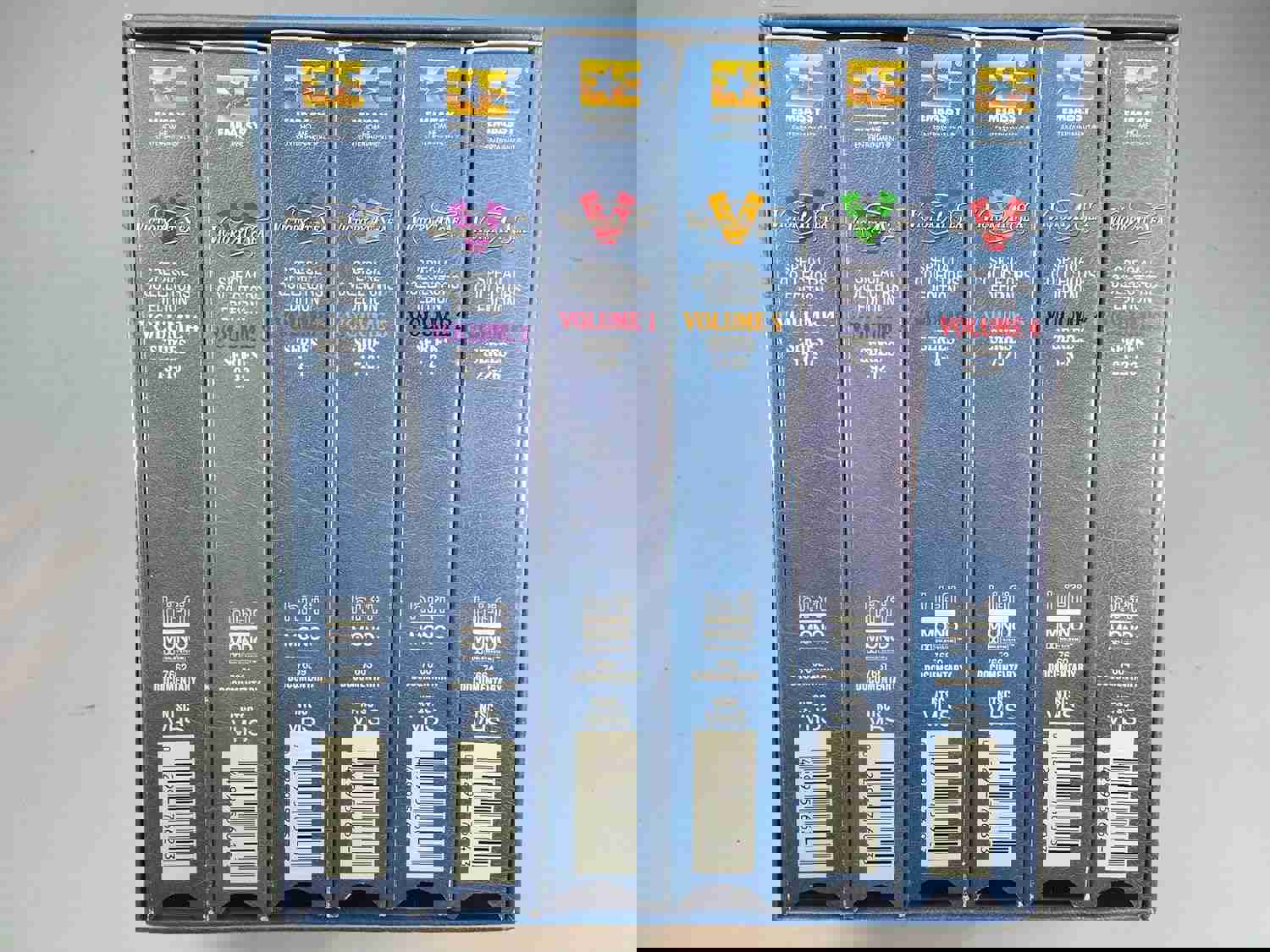
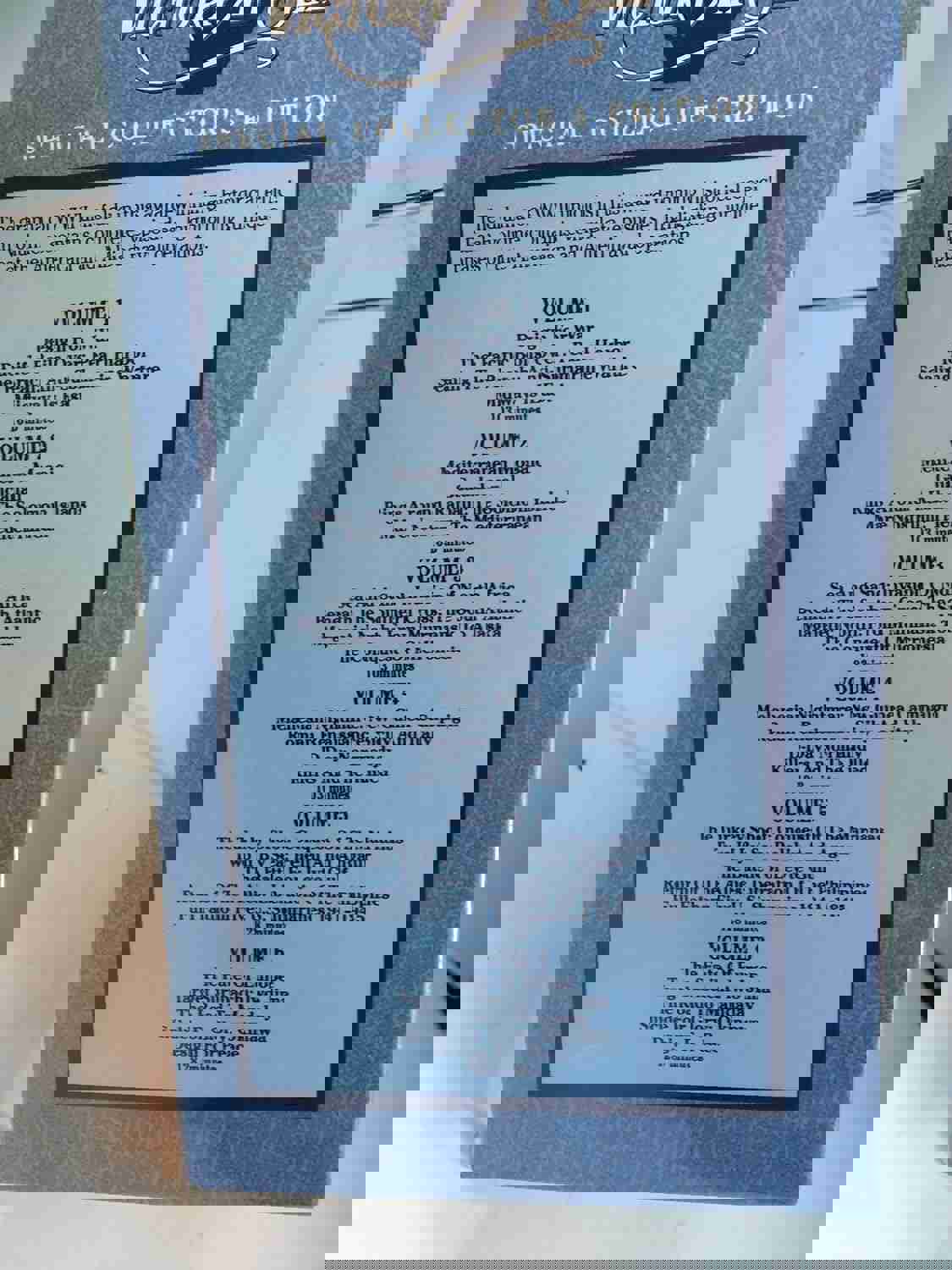
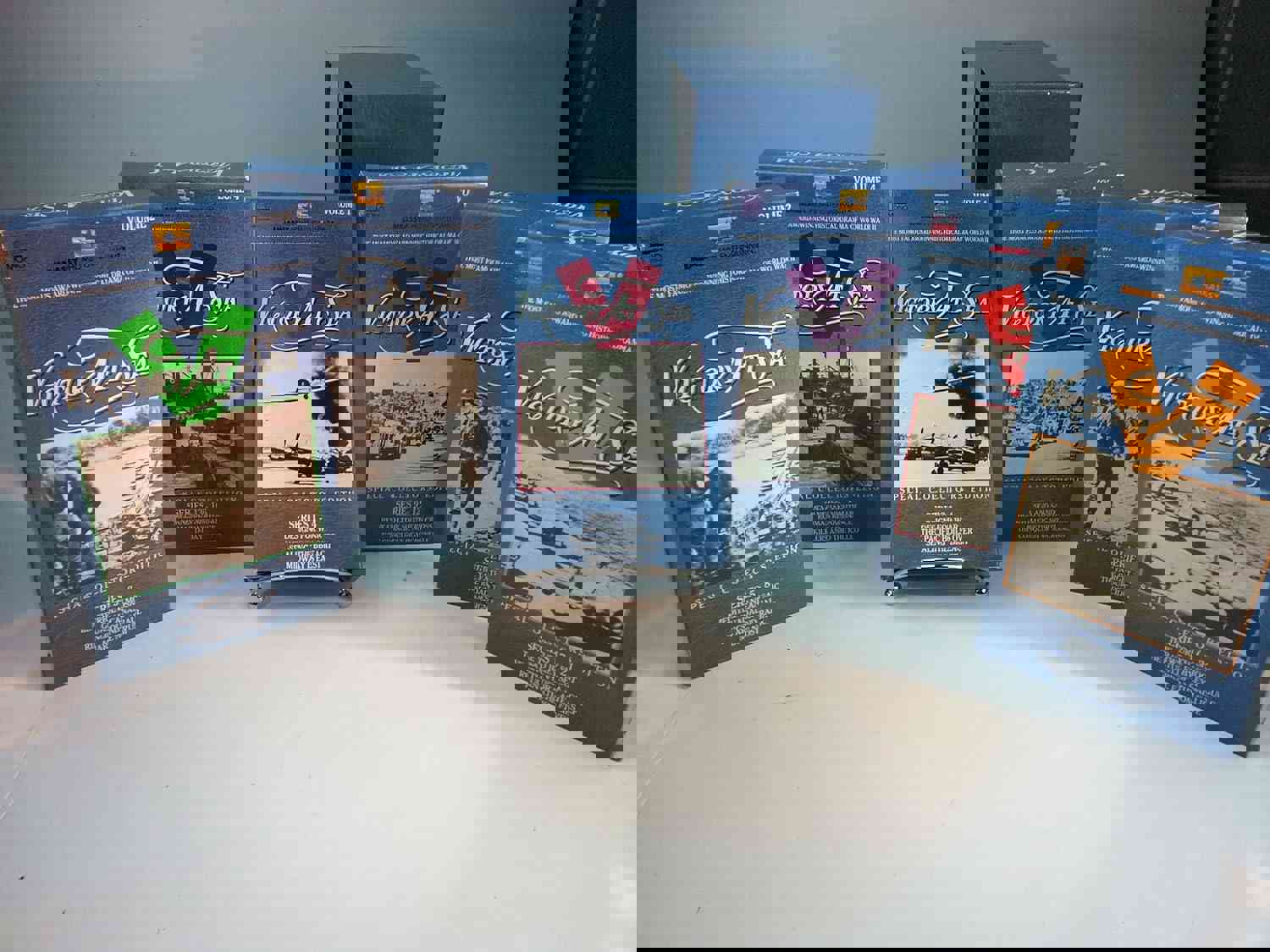
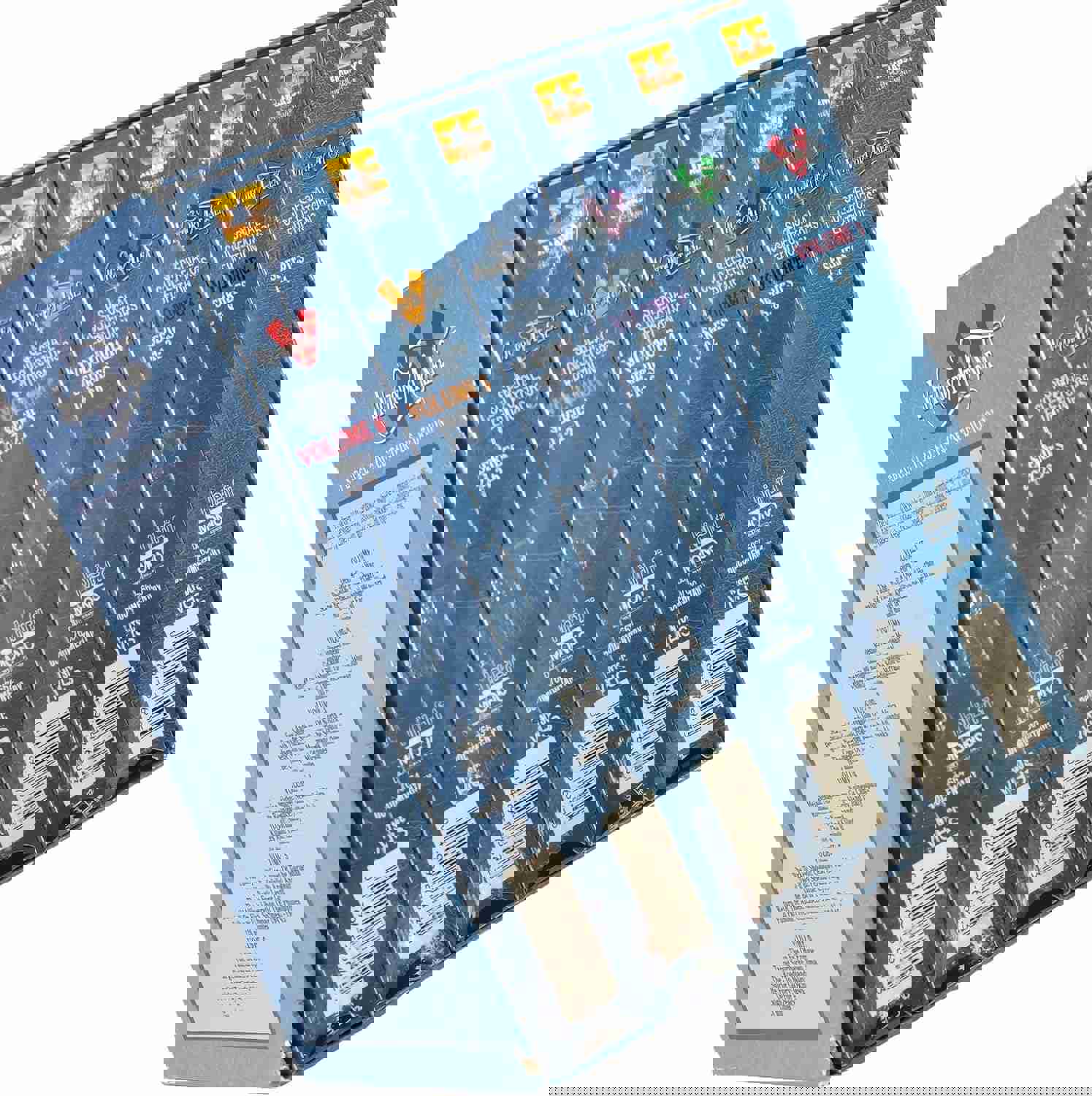
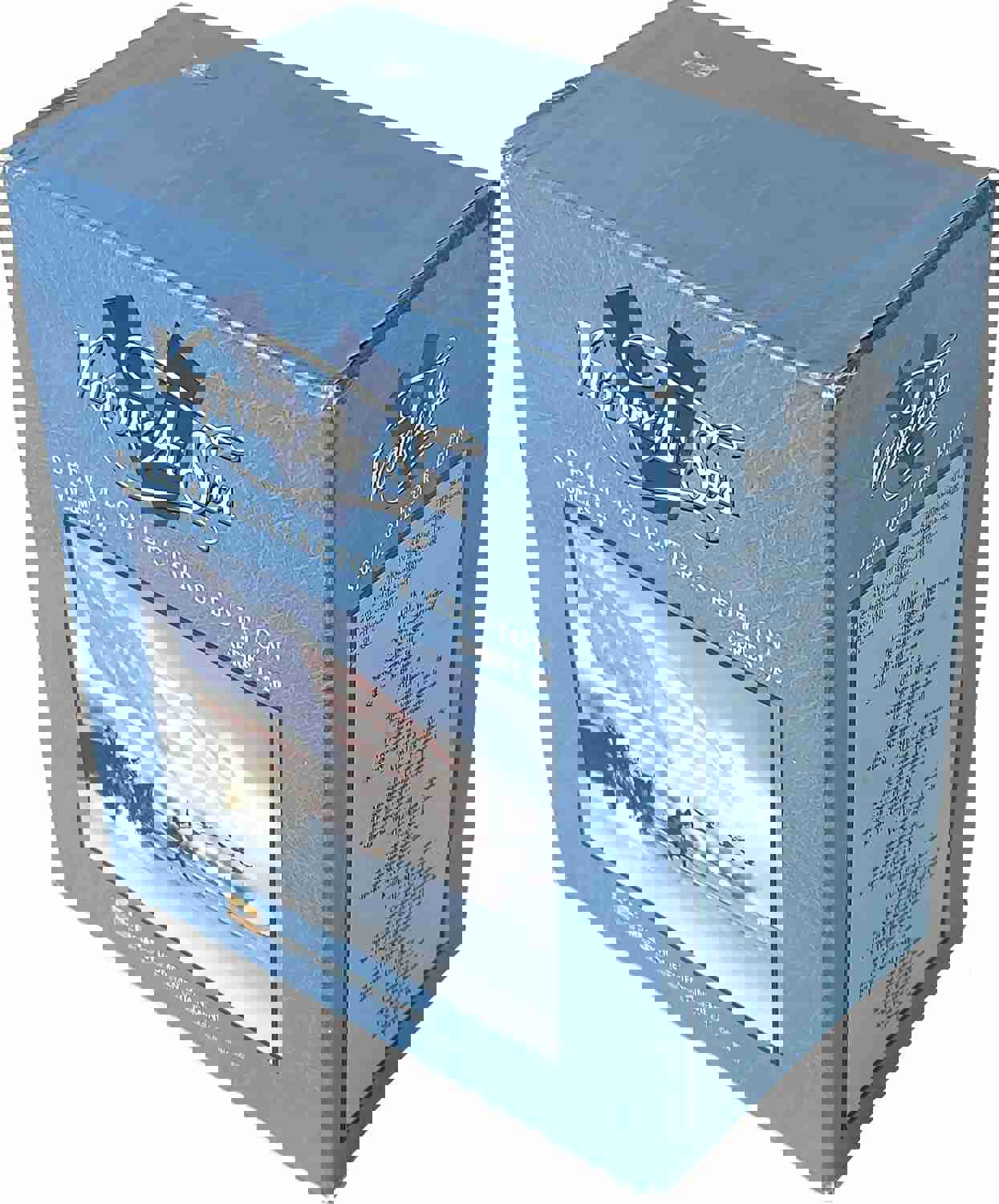
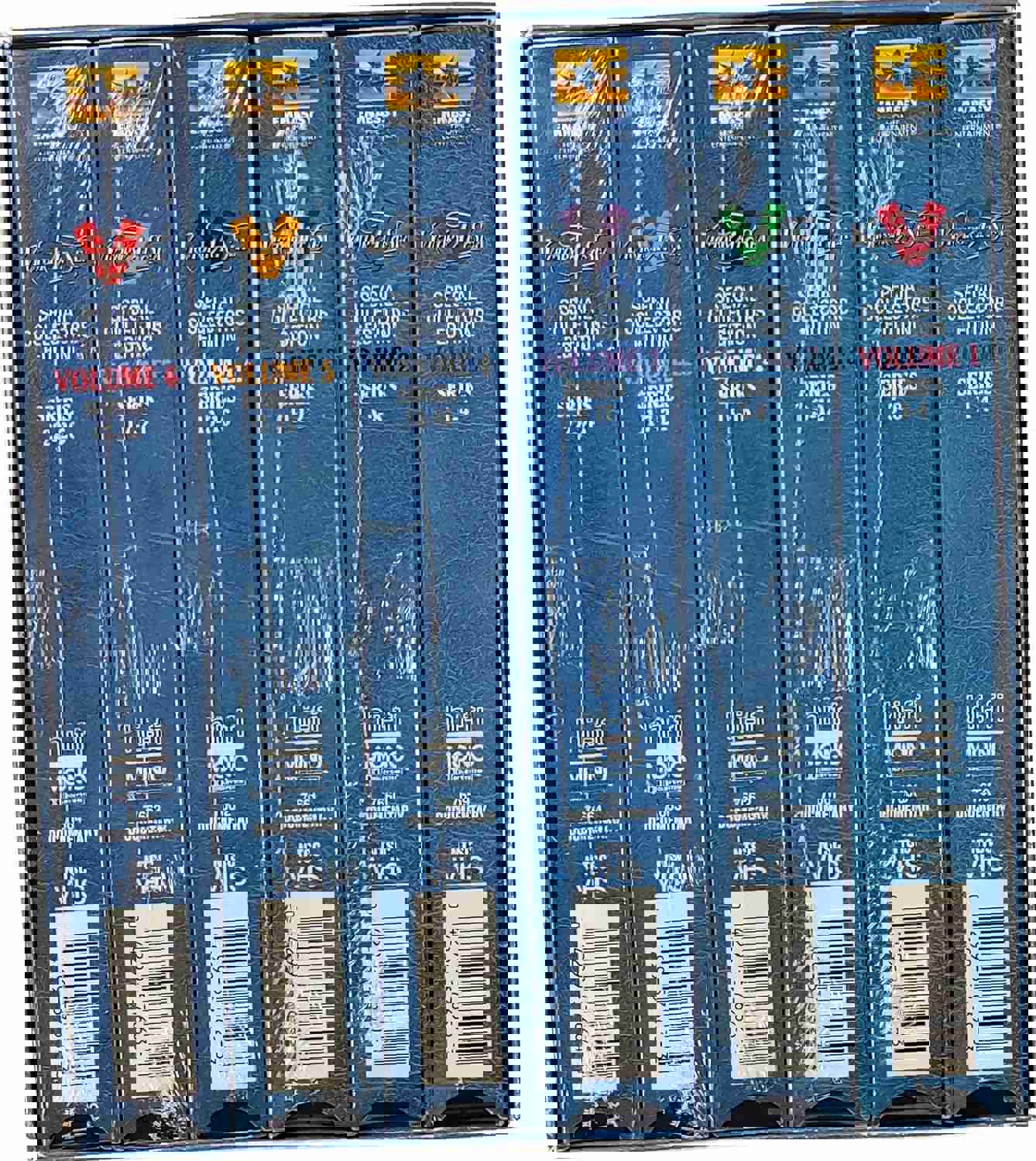


Let me start by saying this: popping these VHS tapes into my vintage player felt like unearthing a treasure chest. The grainy black-and-white footage of battleships cutting through waves, paired with that iconic Richard Rodgers score, gave me chills—partly from nostalgia, partly from the sheer weight of history.
The narration by Leonard Graves is *chef's kiss*. It's like your grandpa telling war stories—respectful, vivid, but never melodramatic. Episode 3's coverage of Midway had me gripping my couch arms even though I knew the outcome. That said, I *did* notice reused footage (that same sinking destroyer clip shows up in three different battles—nice try, editors).
Here's the elephant in the room: yes, it's propaganda-ish. The Guadalcanal episode glosses over Allied blunders like a politician's memoir. But here's the thing—watching this 1952 series made me realize how much modern documentaries spoon-feed 'perspective.' Sometimes you just want to see unapologetic footage of torpedoes hitting hulls with that dramatic orchestra swell.
Pro tip: Hunt down the original VHS version like I did. Those 'remastered' DVDs? Riddled with audio sync issues according to veteran collectors in online forums. My tape hisses occasionally, but that just adds to the wartime radio broadcast vibe.
Final verdict? This isn't Netflix-bingeing material—it demands your full attention with a whiskey in hand. When episode 6 showed kamikaze pilots as determined rather than 'fanatical,' I finally understood why my D-Day vet uncle called this series 'the last honest war documentary.' Flaws and all, it's history preserved in celluloid amber.
 Report
 Share to...


