


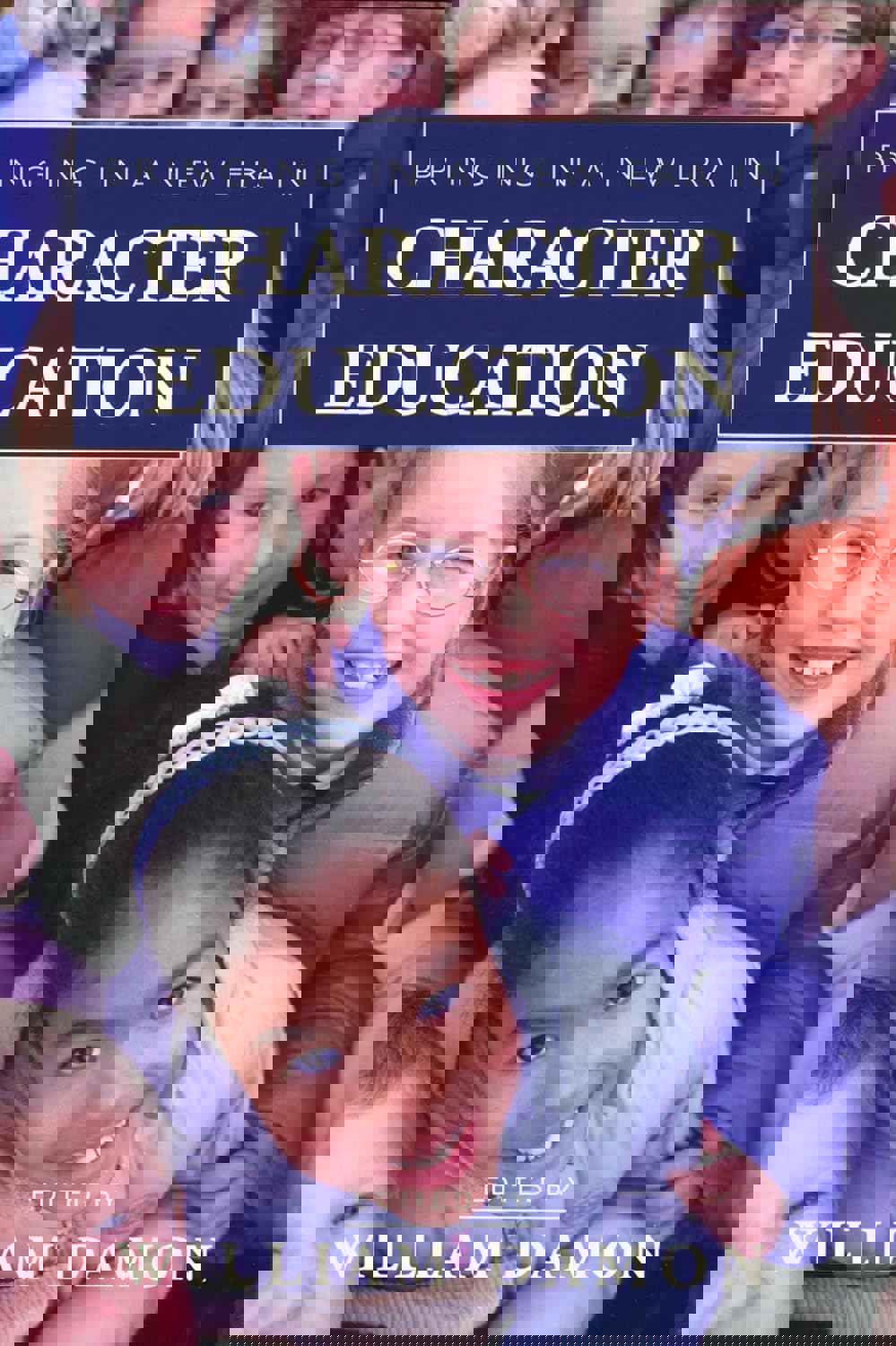



As someone deeply interested in education and child development, I found William Damon's edited book to be a refreshing take on character education. The way he brings together nine different writers, each offering their unique perspective, makes for a rich and engaging read.
One of the standout aspects is how accessible the essays are. You don't need to be an academic to understand them - they're written in a way that's clear and relatable, perfect for upper high school and college-level readers like myself.
Damon's central argument about 'false oppositions' really resonated with me. The idea that we often frame character education debates in either/or terms (individual vs community, secular vs religious) when children don't see the world that way was eye-opening. His example about children being fascinated rather than harmed by unfamiliar spiritual expressions perfectly illustrates this point.
The book covers crucial topics like transmitting moral values in an individualistic society and building democratic communities through education. What I appreciate most is how it bridges theory with practical application - you can see how these ideas would work in real classrooms.
If there's one critique, it's that some chapters might benefit from more concrete examples of how to implement these ideas. But overall, this collection succeeds admirably in its mission to reframe our approach to character education.
 Report
 Share to...


