


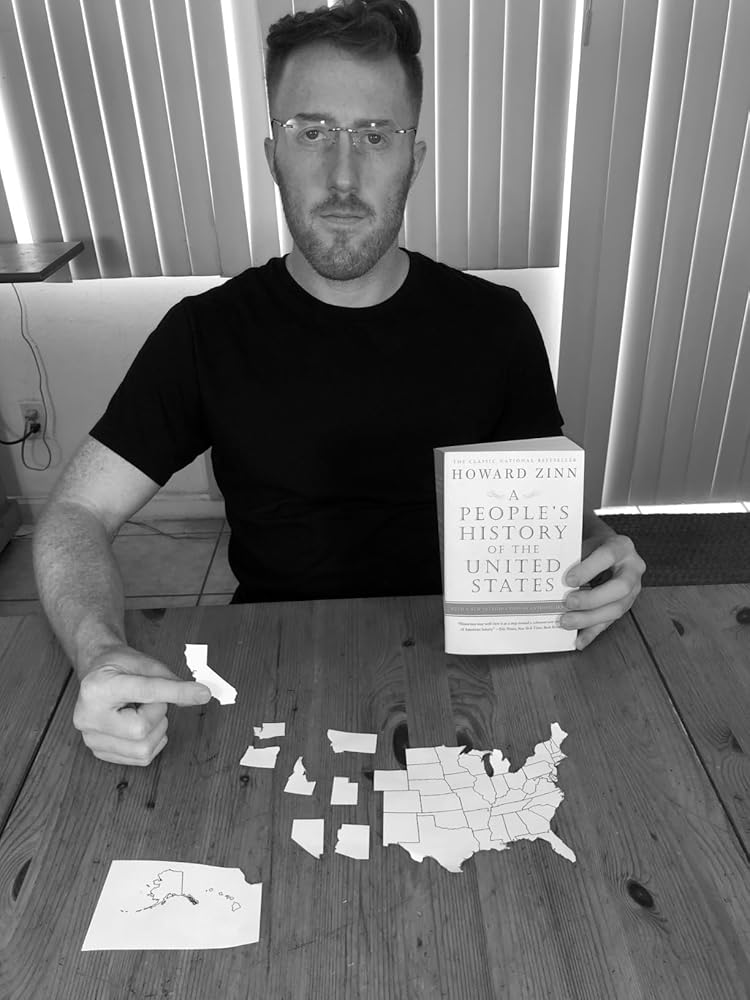



If you think you know American history, think again. Howard Zinn's A People's History of the United States flips the script by telling the story from the perspective of the marginalized—Native Americans, slaves, women, and the working class. This isn't your high school textbook version of events.
The book starts with Columbus' arrival, but instead of celebrating a 'discovery,' Zinn exposes the genocide of Native Americans. It's brutal but necessary reading. The founding fathers' lofty ideals? They excluded most of the population. The 'land of the free' was built on slavery and exploitation.
What makes this book special is how it connects historical patterns to modern issues. The wealth gap, military spending, corporate power—Zinn shows these aren't new problems but systemic features dating back centuries.
The writing is engaging despite covering heavy topics. Zinn uses vivid anecdotes and shocking statistics (like how 44 elite families in 1914 had wealth equal to 100,000 working families) that stick with you.
Some criticize it as too one-sided—it absolutely is—but that's the point. This is the counter-narrative schools ignore. Pair it with traditional histories for balance.
At 700+ pages, it's dense but worth it. You'll come away questioning everything you thought you knew about America's past—and present.
 Report
 Share to...


