


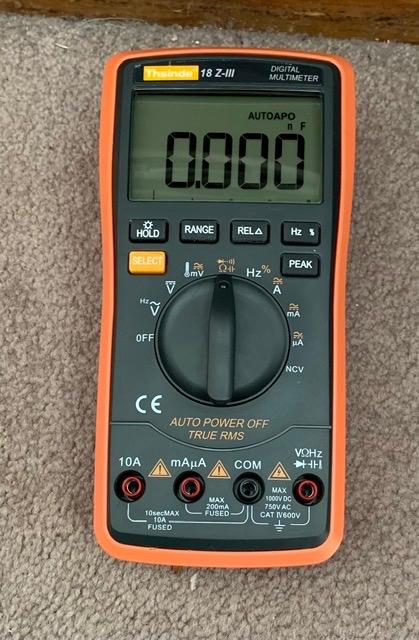
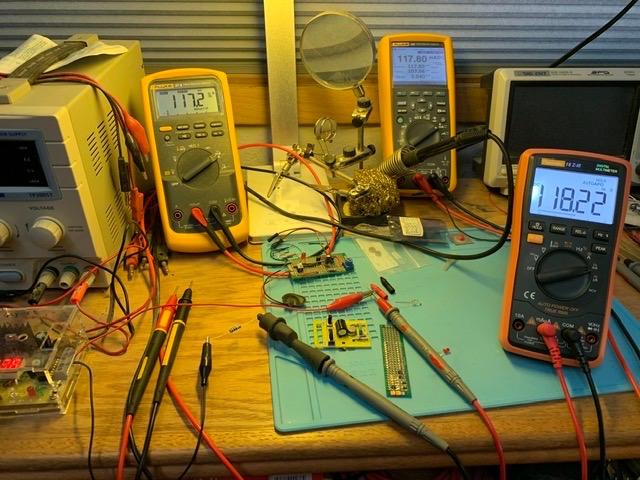
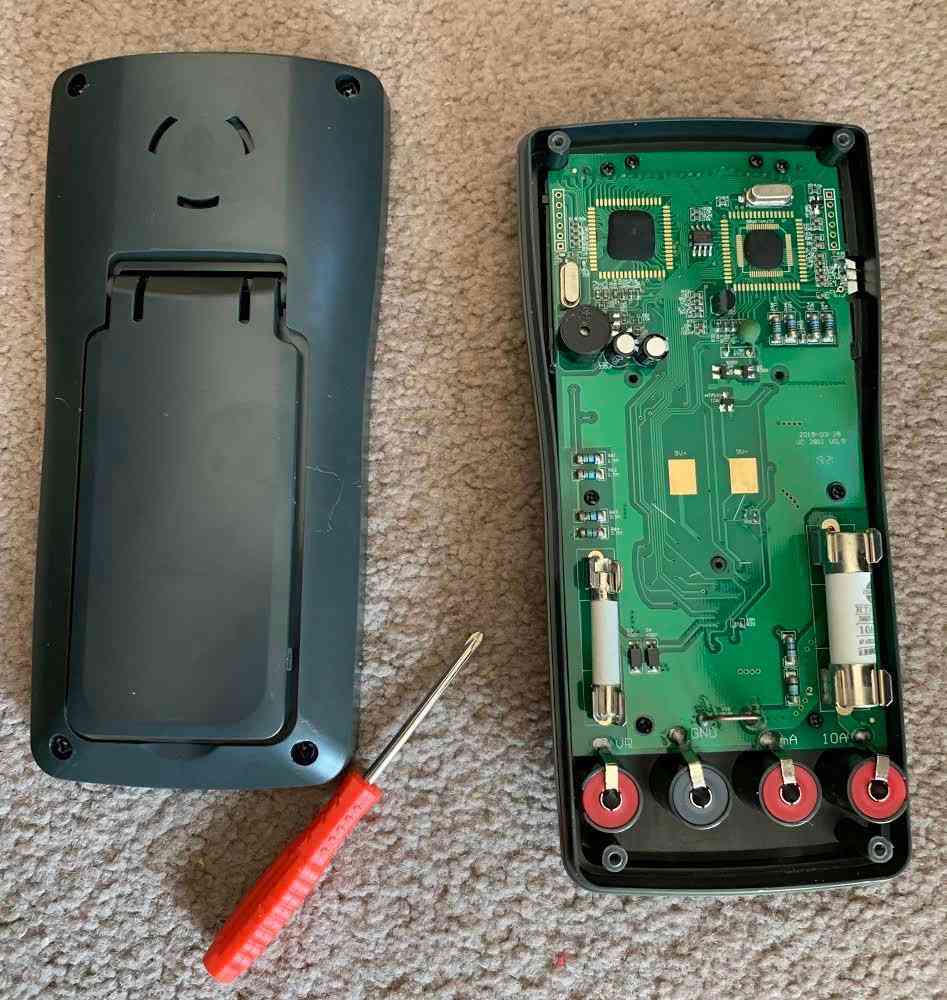
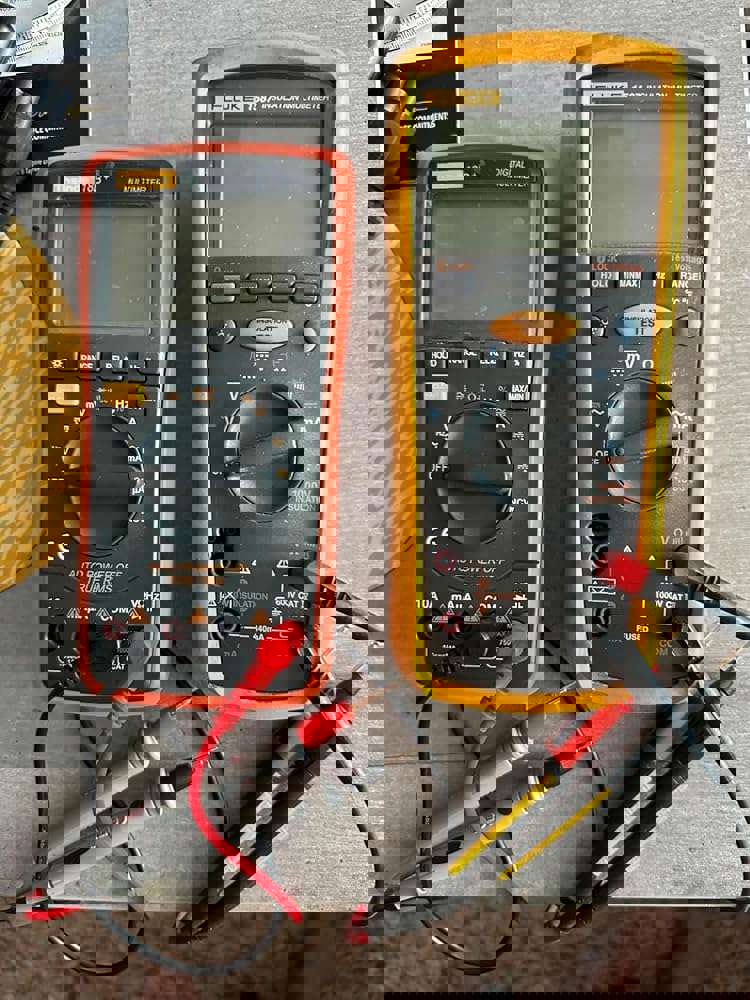



First off, let’s talk about the elephant in the room—this multimeter punches way above its weight class. I’ve used it for everything from diagnosing a flickering porch light to troubleshooting my car’s parasitic battery drain, and it hasn’t missed a beat.
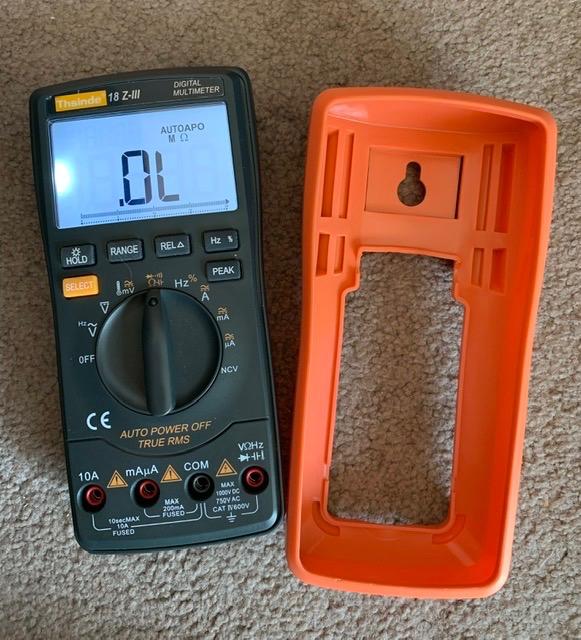
The backlit LCD is a game-changer when you’re squinting under a dashboard or in a dimly lit basement. It’s crisp, bright (though slightly uneven on the left side), and updates fast enough that you won’t miss sudden voltage drops. The 6000-count resolution? More than enough for my home projects, and the auto-ranging feature saves me from menu-diving like some pricier meters force you to do.
Non-contact voltage detection (NCV) is my new favorite party trick. Wave it near a live wire, and it screams at you with lights and beeps—no more guessing if that outlet is truly dead. Just don’t rely on it for precise readings; it’s more of a "yep, there’s juice here" tool.
Build quality surprised me. It feels plasticky (because it is), but the holster adds grip, and the tilting bail lets me hang it mid-job. The test leads are decent—no fraying yet—and having alligator clips included saved me a trip to the hardware store.
Now, the quirks: The auto-off feature is annoying until you realize you can disable it by holding the yellow button on startup (lifesaver for overnight battery tests). The diode test struggles with blue/white LEDs, but for $38? I’ll grab my dedicated tester for those. And yes, it beeps every time you turn the dial—consider it your meter saying ‘hello.’
Is this a Fluke killer? No. But for DIYers or pros needing a backup meter that won’t bankrupt them, it’s shockingly competent. Just don’t trust its CAT-IV rating near mains voltage unless you enjoy living dangerously.
 Report
 Share to...


