


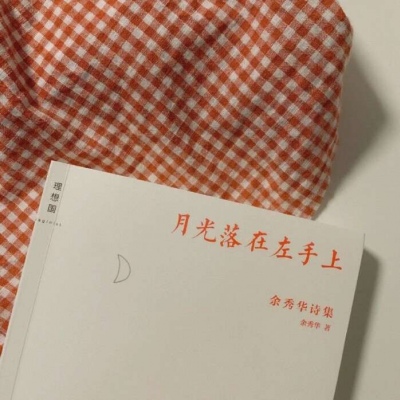
I've had this book on my shelf for years, and it's one of those references I keep coming back to. The fact that it's a reprint of a 1942 classic doesn't diminish its value - if anything, it adds to the charm.
What I love most is how it bridges the gap between science and art. When I'm mixing pigments in my studio, I often flip through its pages to understand the chemical properties of what I'm working with. The explanations are concise yet surprisingly thorough.
The historical perspective is fascinating too. Reading about how artists centuries ago processed raw materials gives me a deeper appreciation for my craft. It's humbling to realize we're still using many of the same basic techniques today.
Is it dry at times? Sure - this isn't light reading. But when I need reliable information about traditional painting methods, this is my go-to resource. The technical details about solvents, oxides and reductants have saved me from countless mistakes.
Would I recommend it for beginners? Maybe not as a first book. But for any serious painter looking to understand their materials at a deeper level, this encyclopedia is worth its weight in cadmium yellow.
 Report
 Share to...


