


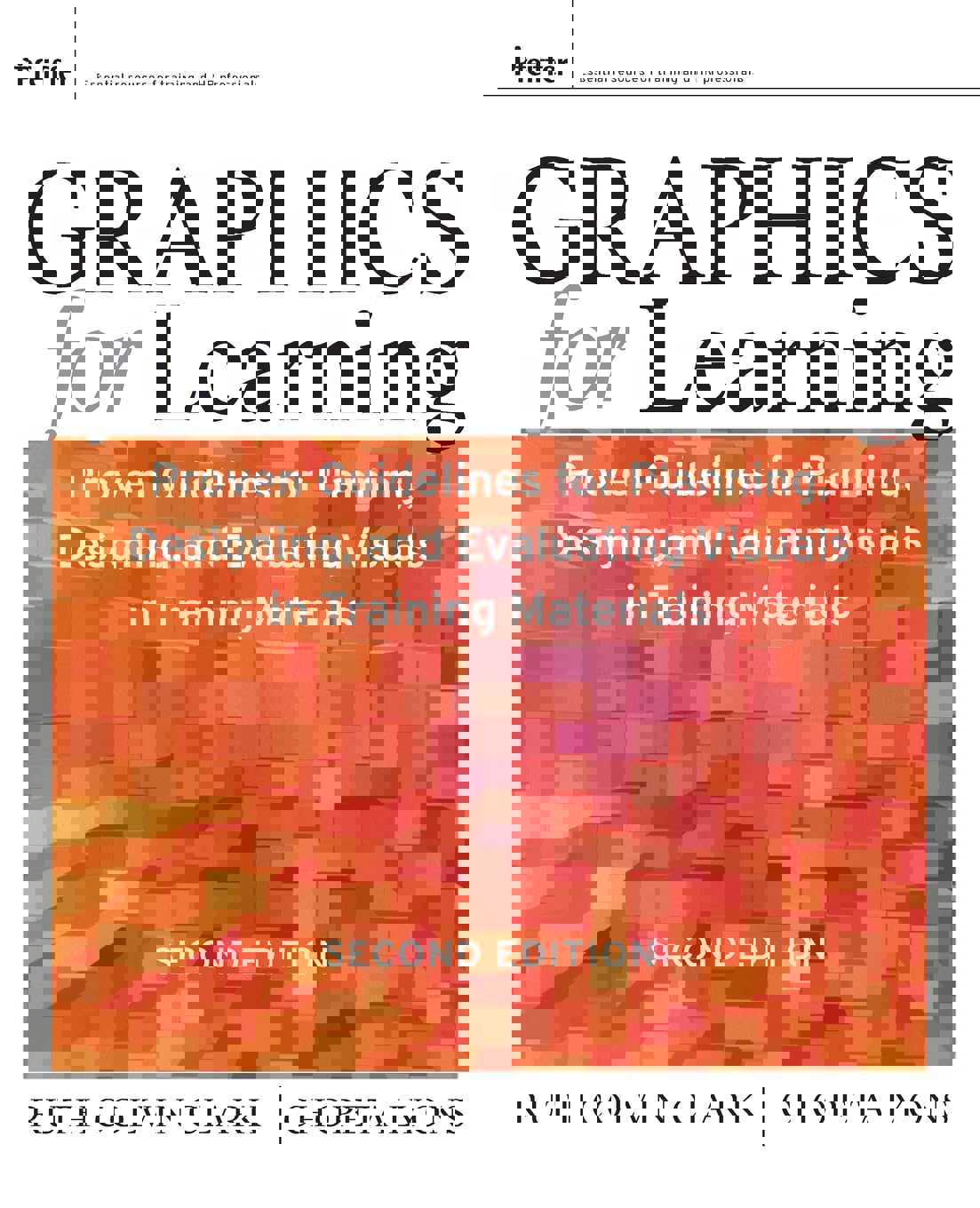



As an instructional designer, I've flipped through countless books on visuals, but this one stands out. The moment I opened it, I knew it wasn’t just theory—it was packed with actionable guidelines. I’ve used its principles to revamp dull PowerPoints into engaging learning tools, and the difference is night and day.
One thing to watch for: my first copy had misprinted pages (a known issue mentioned in reviews). But the content was so valuable that I reached out to the publisher, and they sent a corrected version. If you hit this snag, don’t hesitate—just request a replacement.
What I love most? It cuts through the fluff. No more guessing whether a graphic enhances learning or just looks pretty. The book’s research-backed framework helps me choose visuals that actually stick—like when I redesigned a confusing process flowchart using their 'coherence principle,' and suddenly learners *got* it.
Pro tip: Pair this with Clark & Mayer’s 'eLearning and the Science of Instruction' (cited in the book) for a powerhouse combo. My only gripe? The 2nd edition feels like a minor update—if you find a cheap 1st edition, grab it instead.
Now it lives on my desk, dog-eared and sticky-noted. Whether you’re crafting presentations or e-learning modules, this book will make your graphics work harder than ever.
 Report
 Share to...


