


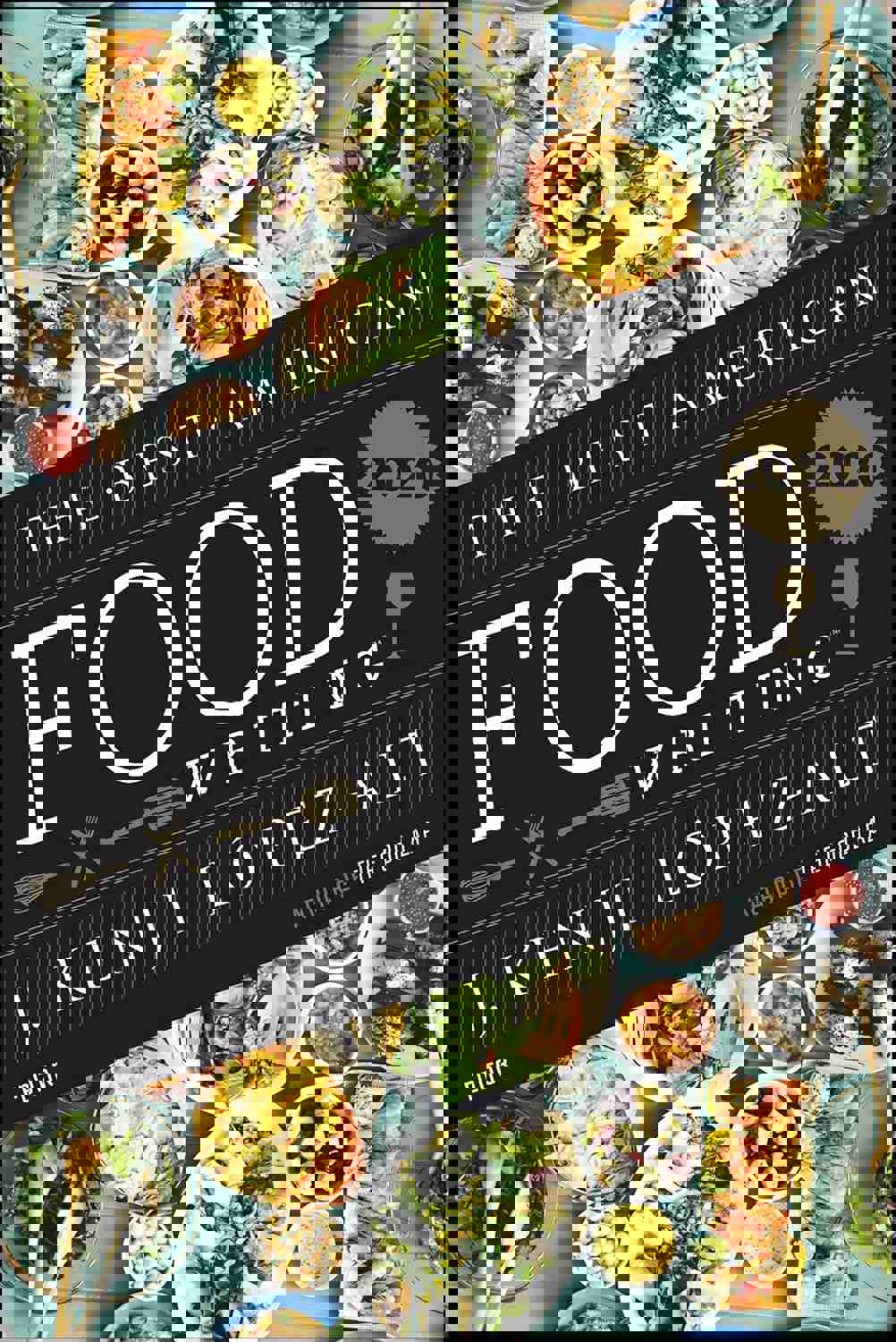



As someone who devours food content (pun intended), this anthology felt like a gourmet tasting menu. The essays aren't just about flavors - they're about the messy, political, deeply human stories behind what we eat.
I found myself reading 'A Real Hot Mess' about weaponized grits in bed at midnight, clutching my blanket like it was a thriller novel. Who knew Southern comfort food had such a dark history of marital revenge? The image of a betrayed woman waiting with scalding grits will haunt me forever.
The disability access essay hit particularly hard. As someone who occasionally uses mobility aids, I never realized how much mental energy I expend scanning restaurant layouts until Hayes put it into words. It's the kind of perspective shift that makes you put down the book and stare at the wall for five minutes.
What surprised me most was how often I disagreed with the writers - like when Spaeth critiques cultural appropriation at Benihana while I'm nostalgically remembering childhood birthday parties there. That tension made me underline passages and scribble furious margin notes, which to me is the mark of great food writing.
Pro tip: Don't read 'When Jacques Pepin Made All the World an Omelet' on an empty stomach. I had to pause mid-chapter to make my own (mediocre) version while pretending to be Julia Child.
The collection does stumble occasionally - some pandemic-era pieces already feel dated, like last year's sourdough starter. But when it shines (like Onwauchi's brutal kitchen confessionals or Bilger's baby food detective work), it's absolutely brilliant.
 Report
 Share to...


