


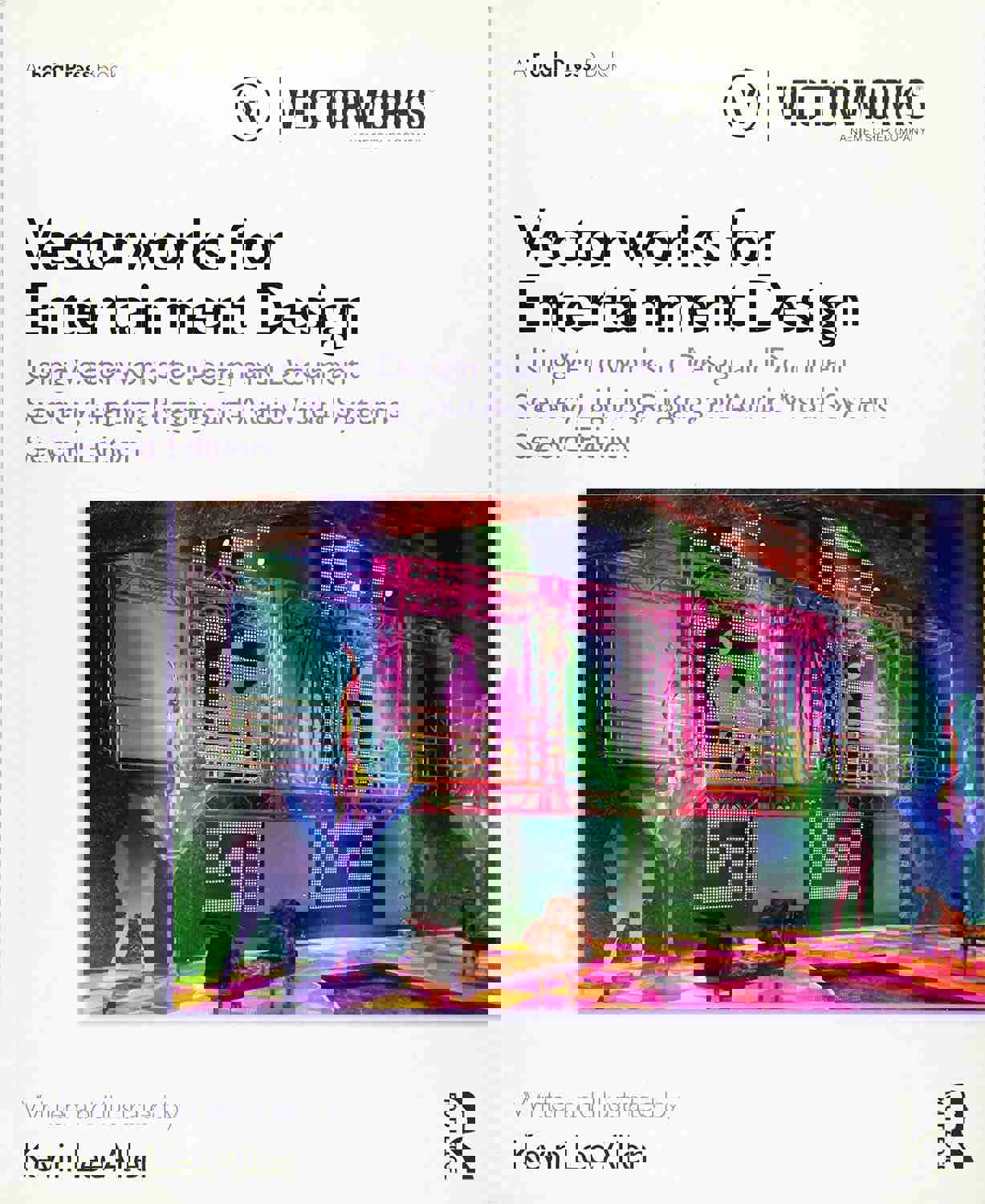




As someone who's used Vectorworks professionally for years, I was excited to dive into this book. The early chapters are fantastic - clear, detailed, and actually helpful as reference material. I found myself constantly flipping back to Chapter 3 when setting up new projects.
The digital version needs serious work though. The Kindle images are practically useless - either too small or pixelated when enlarged. For a visual program like Vectorworks, this is a major drawback that makes following along frustrating.
Where the book really shines is its adaptability for teaching. During remote learning periods, the structured progression worked perfectly whether students were following live or on their own time. The logical flow from scenery design to lighting and rigging makes complex concepts digestible.
That said, the quality drops noticeably in later chapters. Instructions become vague where precision matters most, especially around tool settings. The provided exercise files often don't match the descriptions, leading to texture issues that waste hours of troubleshooting time.
The persistent typos (particularly in Chapter 7) are baffling for a technical manual. When you're dealing with precise measurements in entertainment design, incorrect numbers can derail entire projects.
Despite its flaws, I'd still recommend this to beginners - just be prepared to supplement with online resources when the book falls short. It's saved my workflow multiple times, but could be so much better with proper editing and updated digital assets.
 Report
 Share to...


