


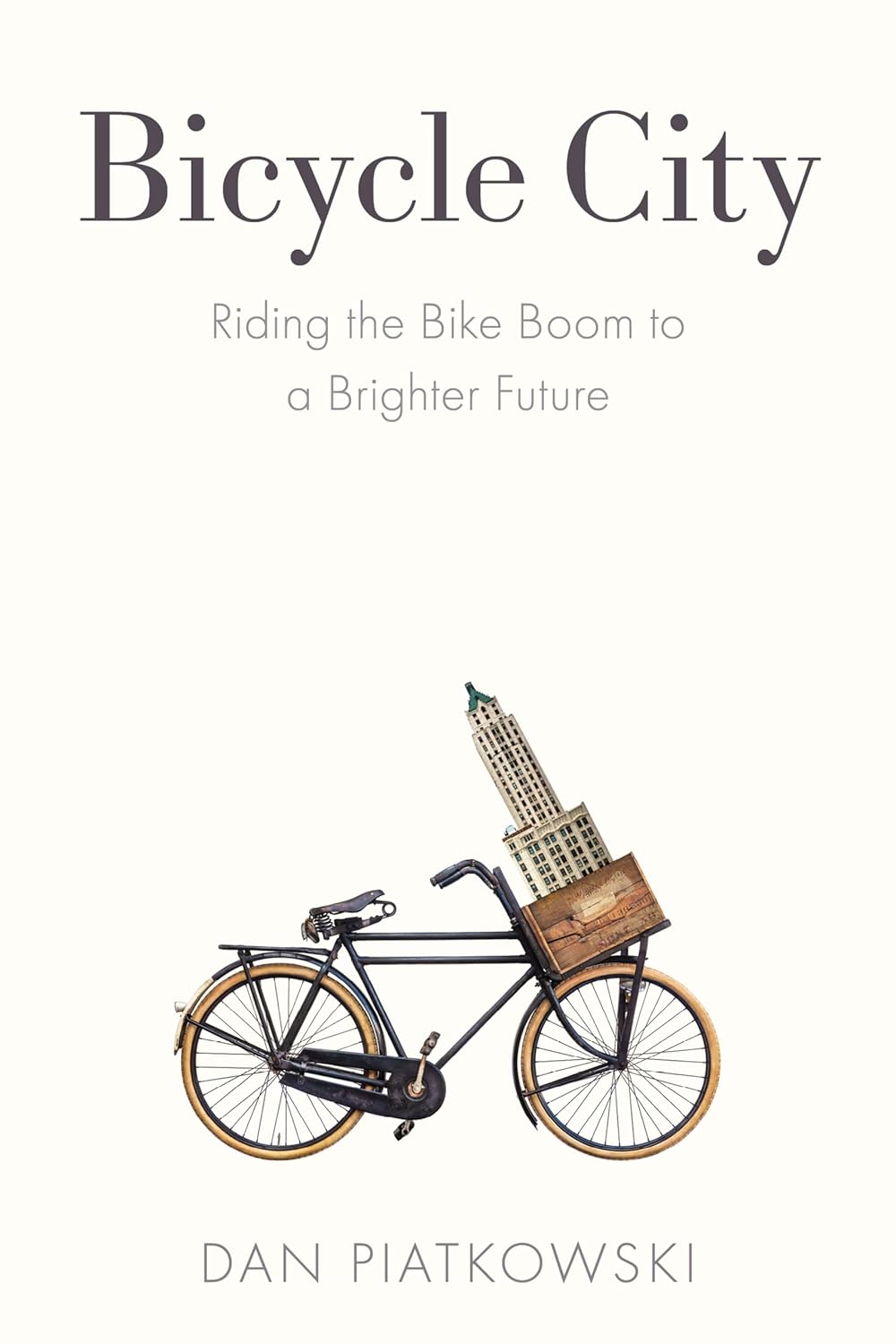



As someone who's cycled through the chaos of city streets for years, I was instantly drawn to 'Bicycle City'. The book brilliantly captures how bikes aren't just vehicles - they're catalysts for community and sustainability.
What struck me most was the author's realistic optimism. Unlike other urbanism books that idolize European cities, this one acknowledges that every city can develop its own bike culture. I've experienced this firsthand - my daily commute became 20% faster when my city added protected bike lanes last year.
The section on e-bikes particularly resonated with me. After testing various models, I can confirm they're true game-changers for hilly cities. My RadPower e-bike has replaced 80% of my car trips while carrying groceries in its cargo basket - exactly the shift the book advocates.
However, I wish there was more discussion about bike theft prevention - a very real concern that keeps many potential cyclists away. The chapter on gentrification and bike infrastructure also felt slightly rushed compared to other sections.
The most powerful takeaway? Change happens faster than we think. My city transformed from bike-hostile to bike-friendly in just three years after adopting some policies mentioned in the book. This isn't just theory - it's working, measurable urban evolution.
For anyone curious about making their city more livable (whether you currently cycle or not), this book offers both inspiration and practical pathways forward. It's already changed how I advocate for transportation policies in my community.
 Report
 Share to...


