


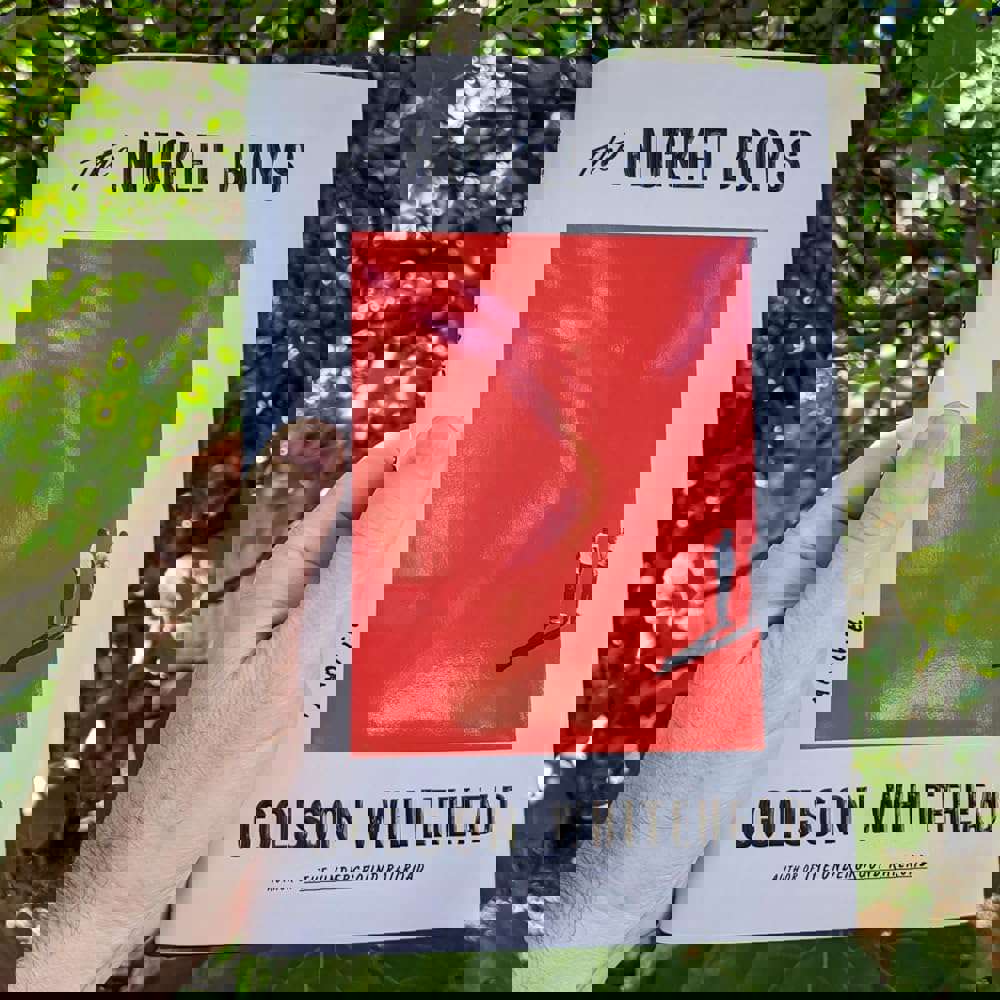


Reading 'The Nickel Boys' felt like holding my breath for 200 pages. Whitehead's sparse prose punches you in the gut from page one, yet leaves just enough air in your lungs to keep turning pages. I found myself reading it in odd places - during lunch breaks, waiting for coffee - because Elwood's story clung to me like humidity in that Florida reform school.
The genius lies in what Whitehead doesn't say. When describing the abuse at Nickel Academy, he gives us just enough detail to imagine the horror, then pivots to show us Elwood listening to MLK speeches on a smuggled record player. This contrast between cruelty and hope made me put the book down several times just to process the emotional whiplash.
What surprised me most was how Turner's pragmatism grew on me. At first I rooted for idealistic Elwood, but by the end, I understood why Turner survived. Their friendship unfolds with such painful authenticity that I caught myself arguing with both characters aloud. The twist ending? Let's just say I had to reread the last chapter three times before the full weight hit me.
This isn't an easy read, but it's an essential one. Whitehead makes institutional racism personal - not through graphic violence, but through stolen sodas, whispered conversations, and the way a teenage boy folds his one good shirt. Months later, certain scenes still pop into my head at random moments. That's the mark of truly great fiction.
 Report
 Share to...


