


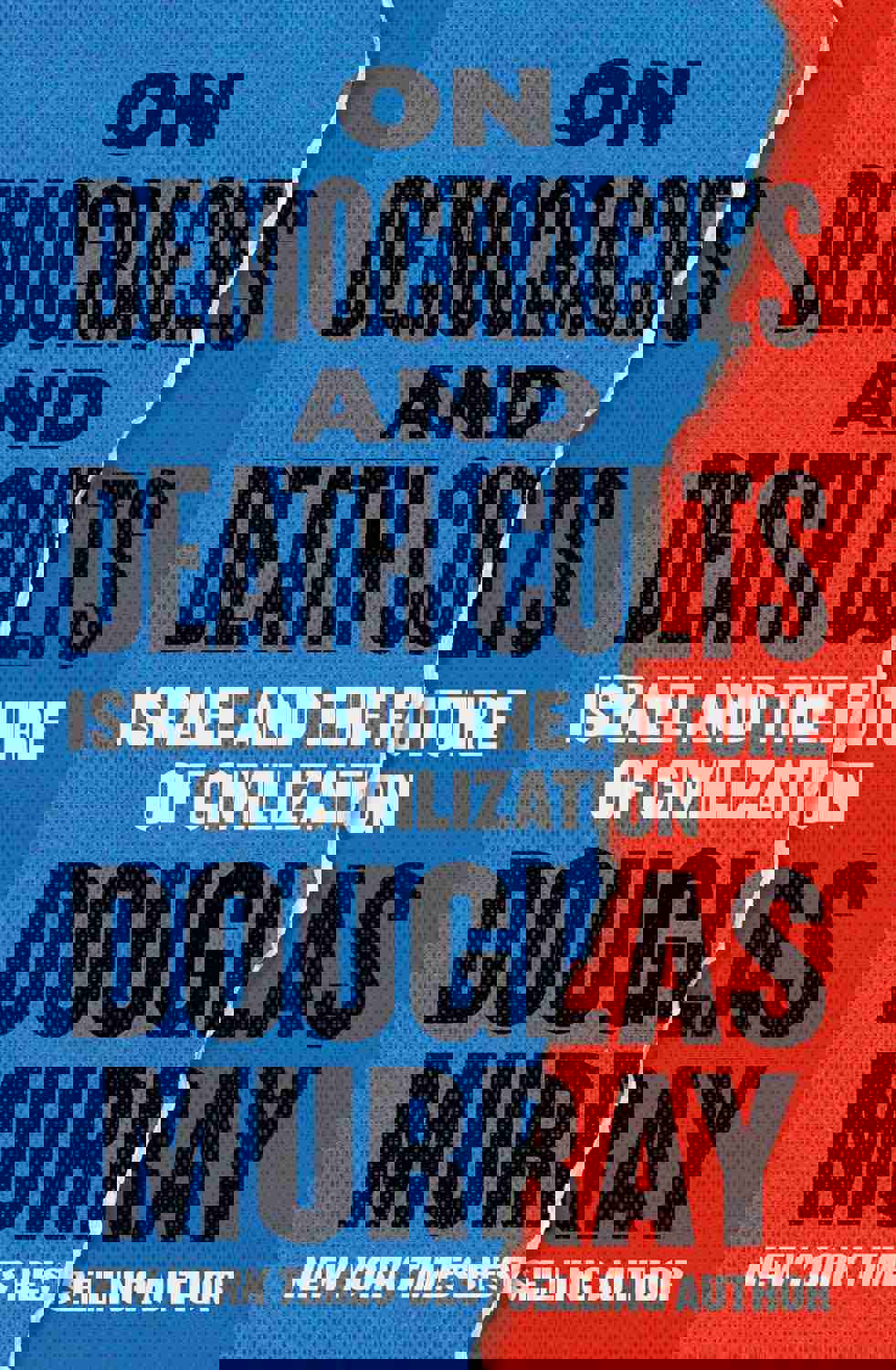


Douglas Murray's latest book isn't just another political analysis—it's a visceral, boots-on-the-ground account that left me reeling. The way he juxtaposes Israel's democratic resilience with the nihilistic ideology of its enemies isn't abstract theory; it's something I felt in my gut while reading survivor testimonies at 2 AM, my coffee gone cold.
What shocked me most was Murray's unflinching documentation of how quickly global narratives turned against terror victims. I found myself pausing every few pages to fact-check his claims about media bias—only to realize he'd already cited primary sources I'd never seen reported elsewhere. His chapter on campus activism particularly resonated after I attended a protest where students chanted slogans straight from Hamas playbooks.
The book's brilliance lies in its duality: graphic enough to make you weep (I did during the Kfar Aza massacre accounts), yet threaded with such profound humanity that I finished it feeling oddly hopeful. When Murray describes an elderly Israeli pianist playing Debussy amid rocket sirens, I finally understood what 'civilization worth defending' truly means.
This isn't comfortable reading—my hands actually shook during the jihadist interrogation transcripts—but it's necessary. After finishing, I immediately bought copies for my book club. We're all progressives, and the heated discussion that followed proved Murray's point: even among allies, these conversations are dangerously overdue.
 Report
 Share to...


