


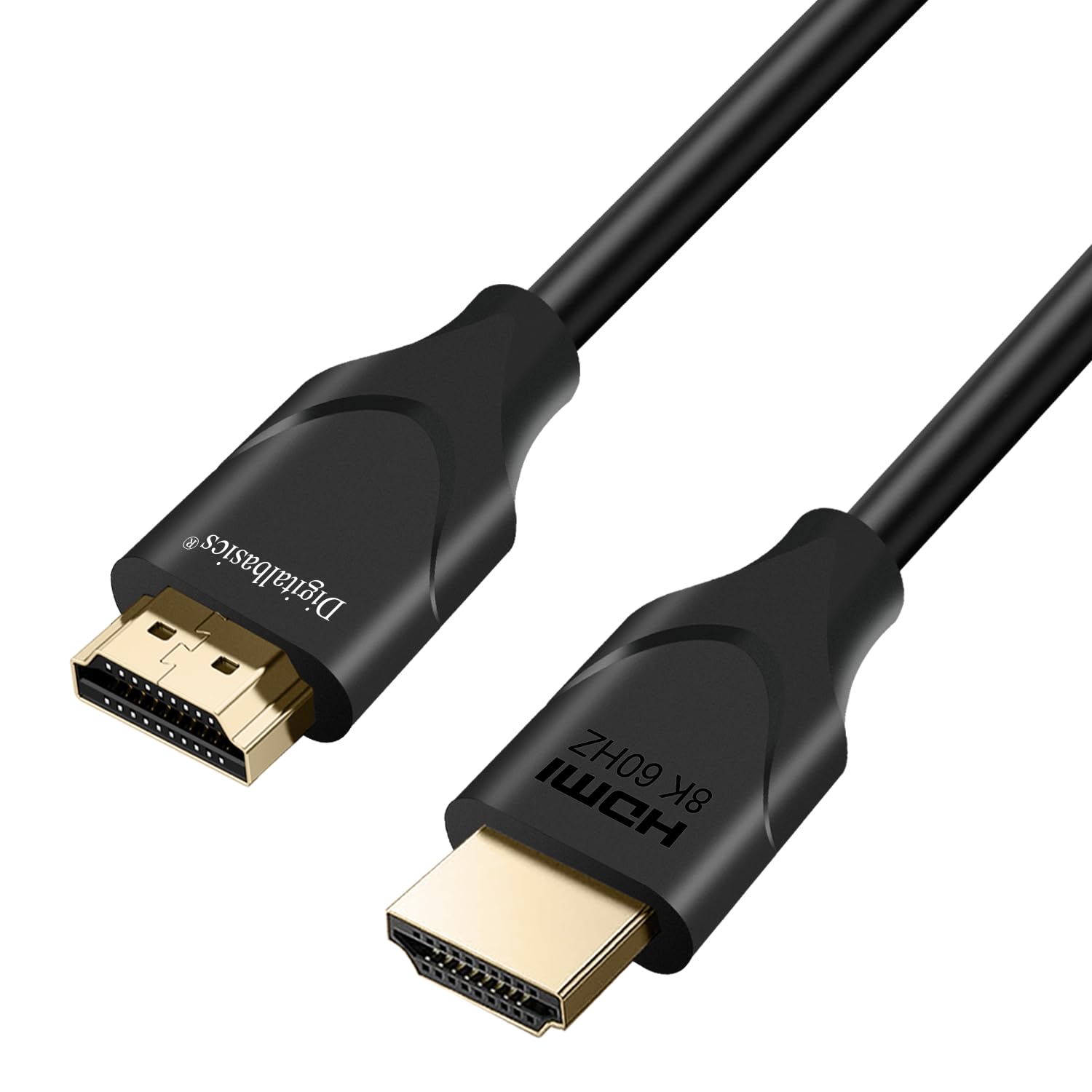
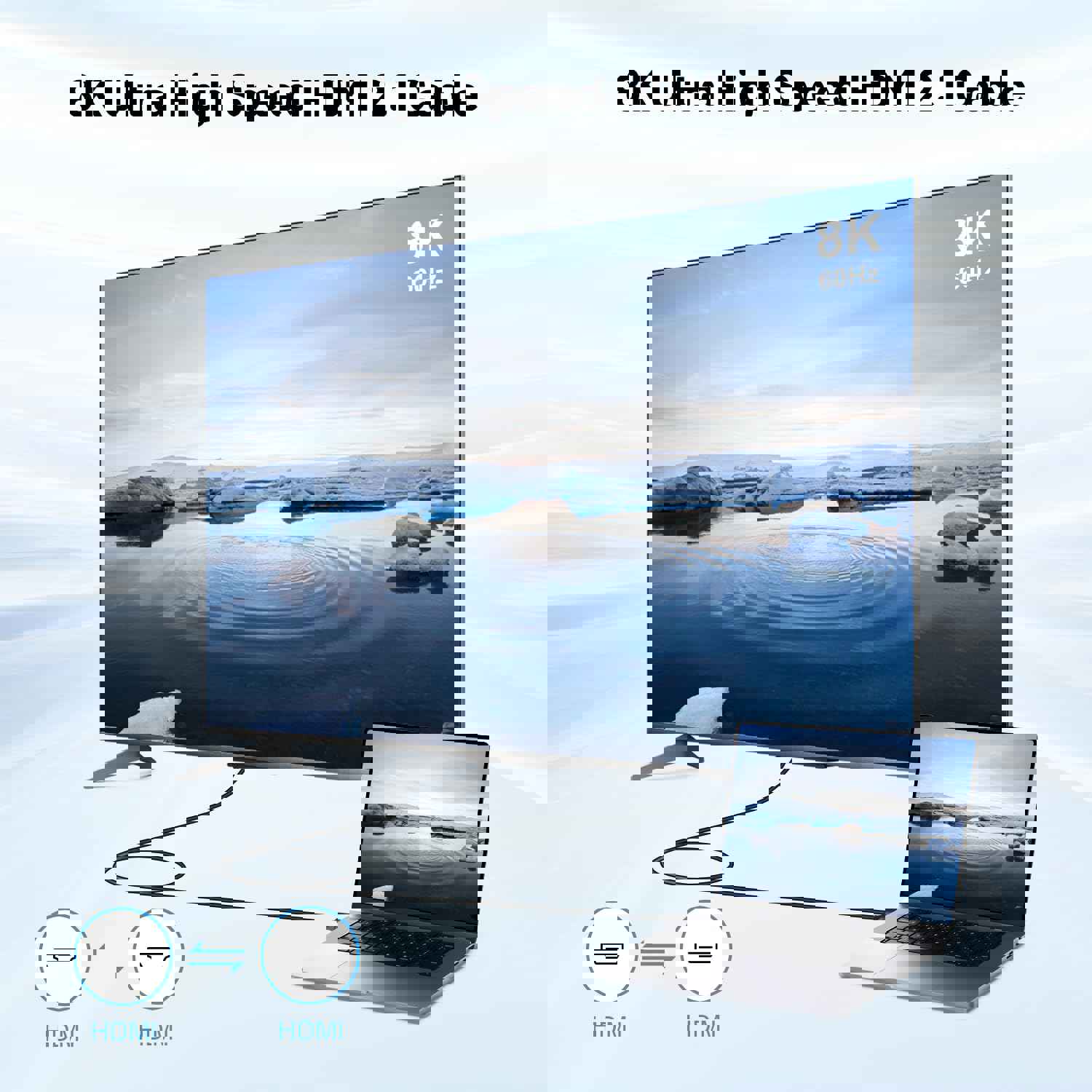
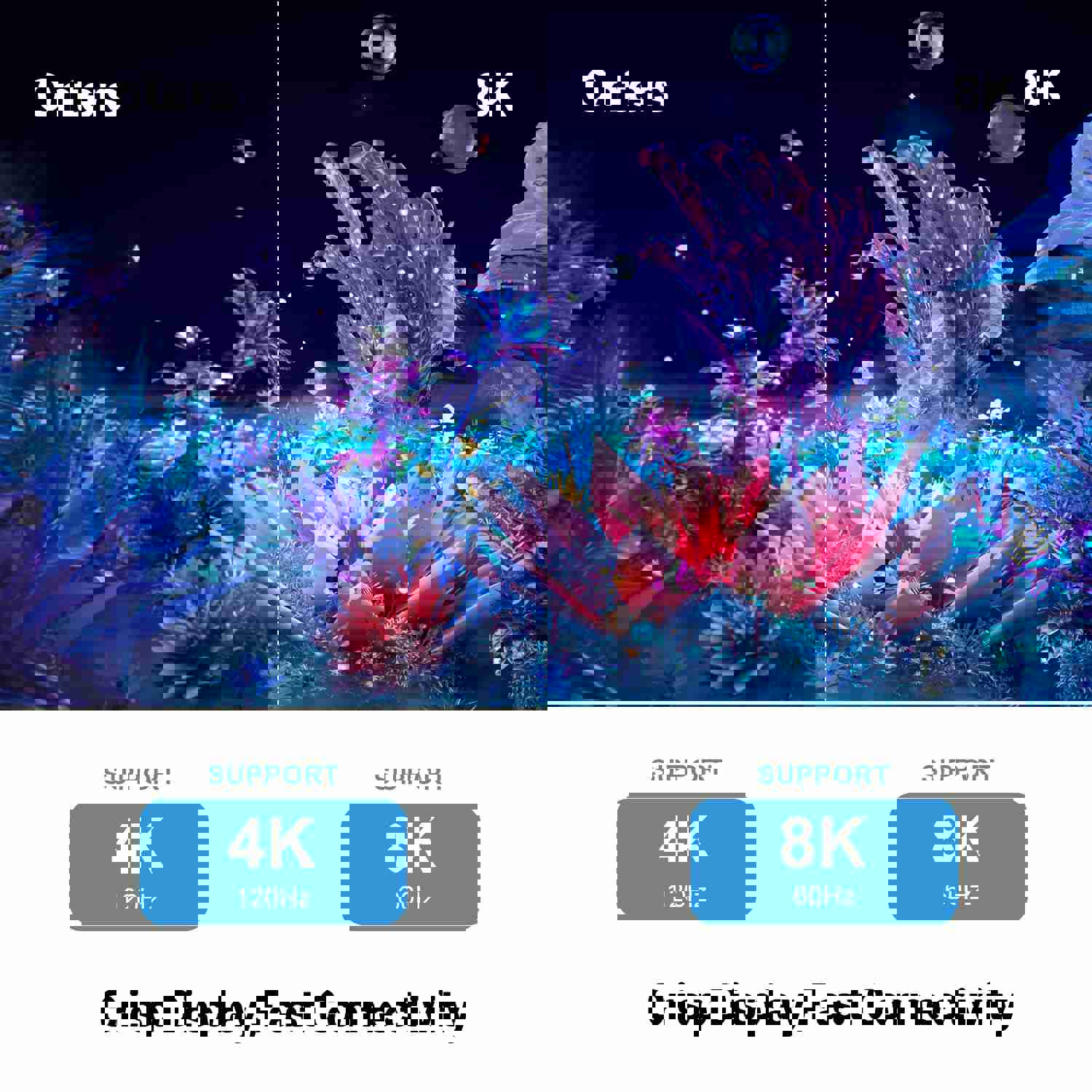
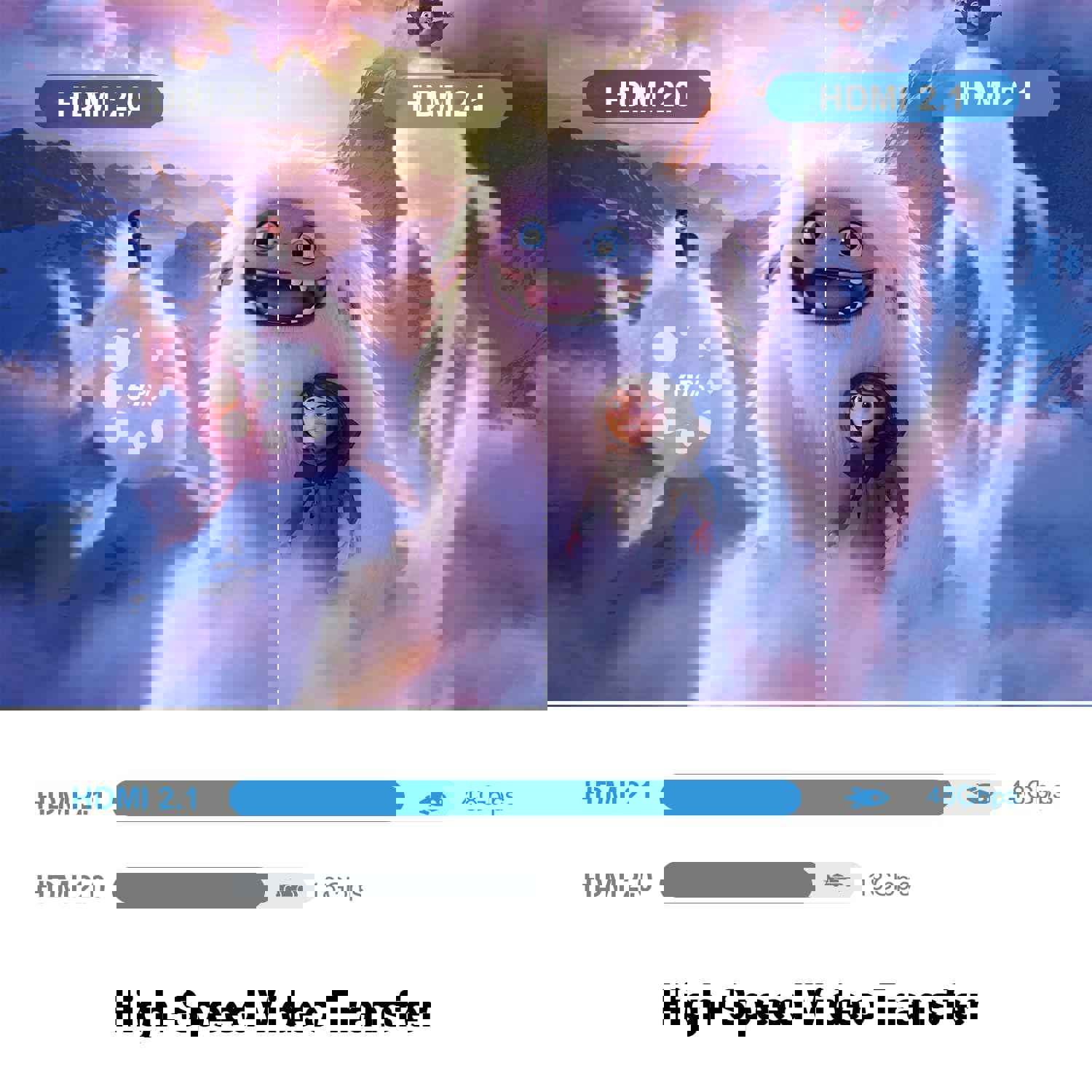



Let me start by saying this cable is a BEAST for next-gen gaming. I hooked it up to my PS5 and the difference in fluidity at 4K/120Hz was immediately noticeable – no more screen tearing during fast-paced action in Call of Duty. The cable handles bandwidth like a champ.
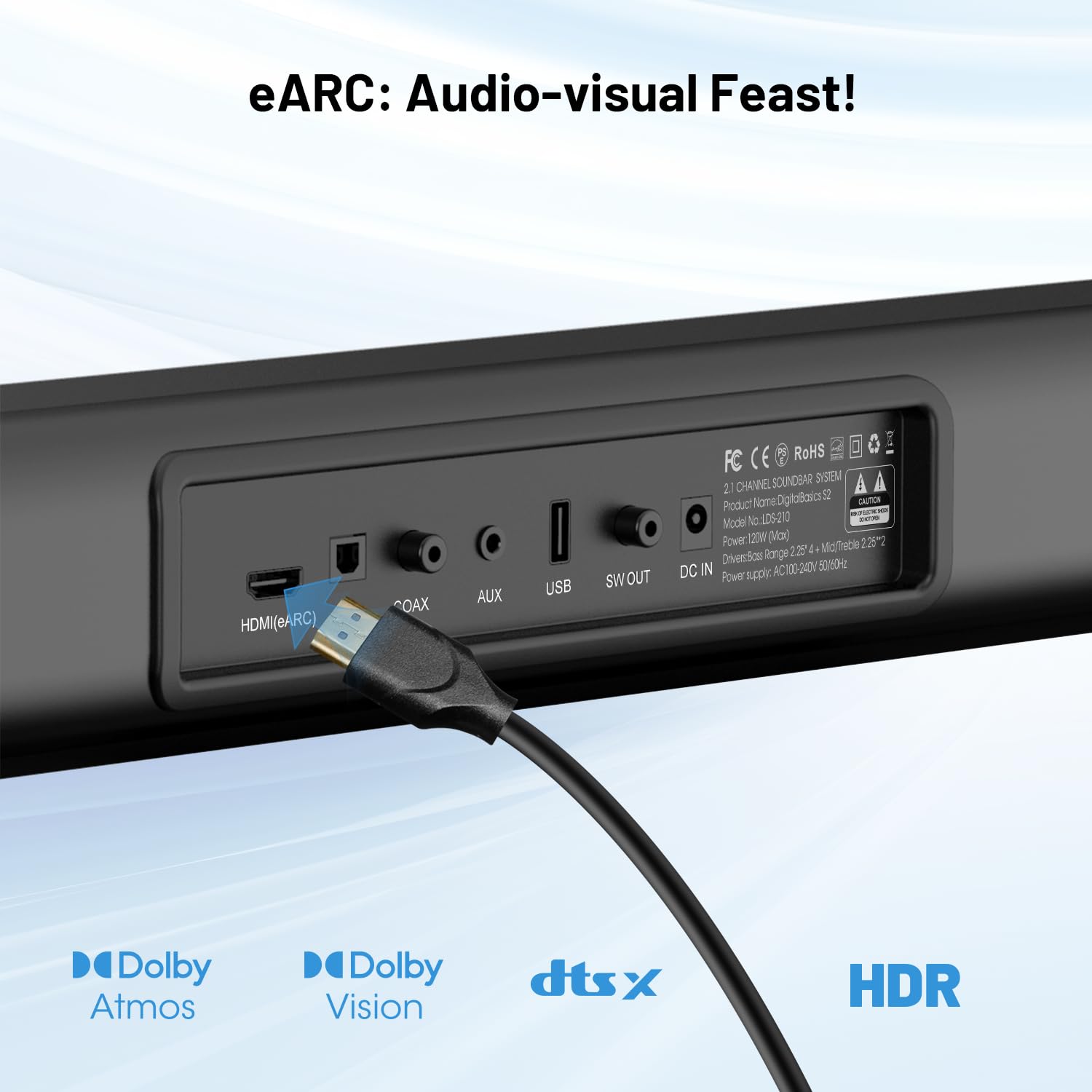
The eARC support is where this truly shines for home theaters. When I connected it between my LG OLED and Sonos Arc, Dolby Atmos suddenly came alive with crisp overhead effects that my old HDMI cable just couldn’t deliver consistently.
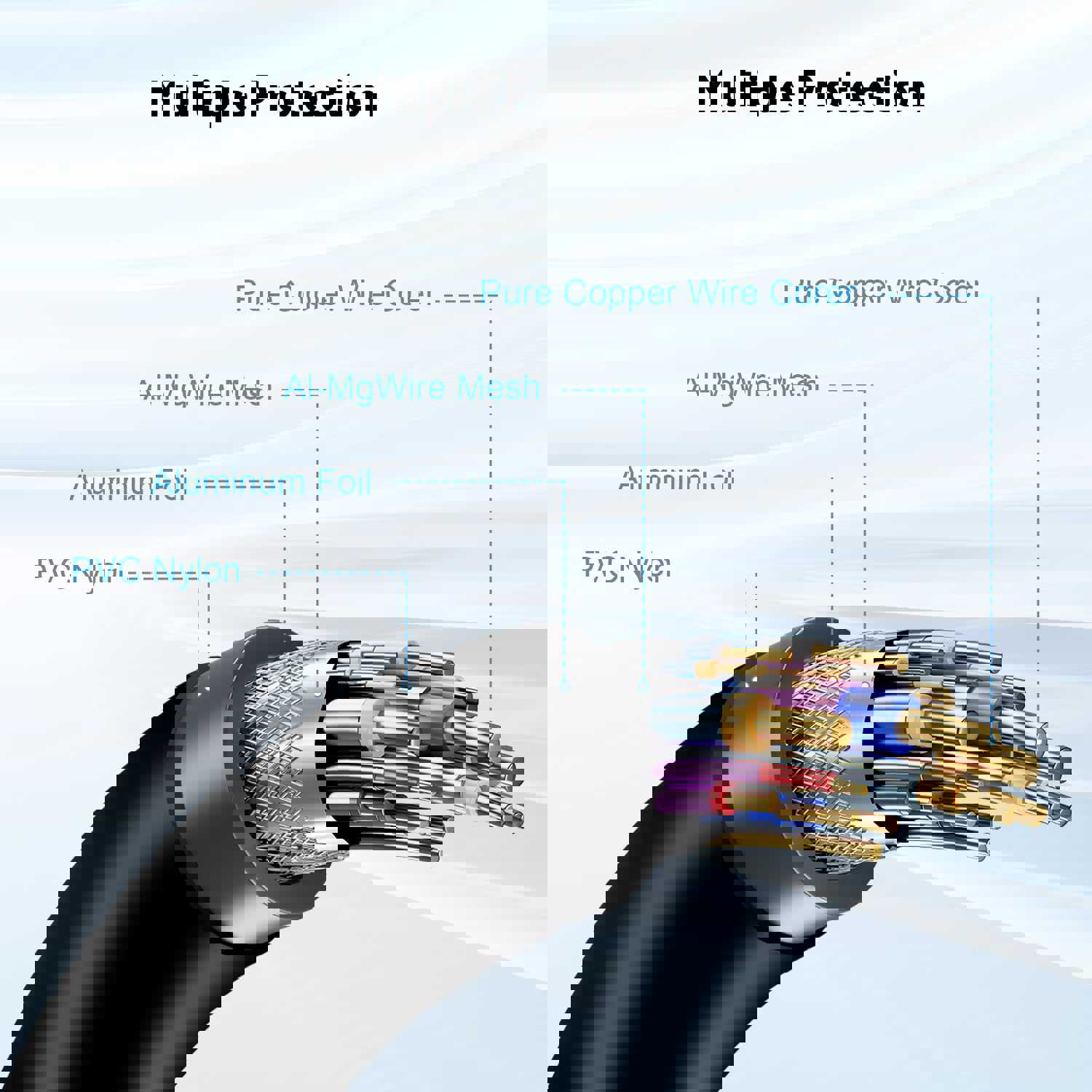
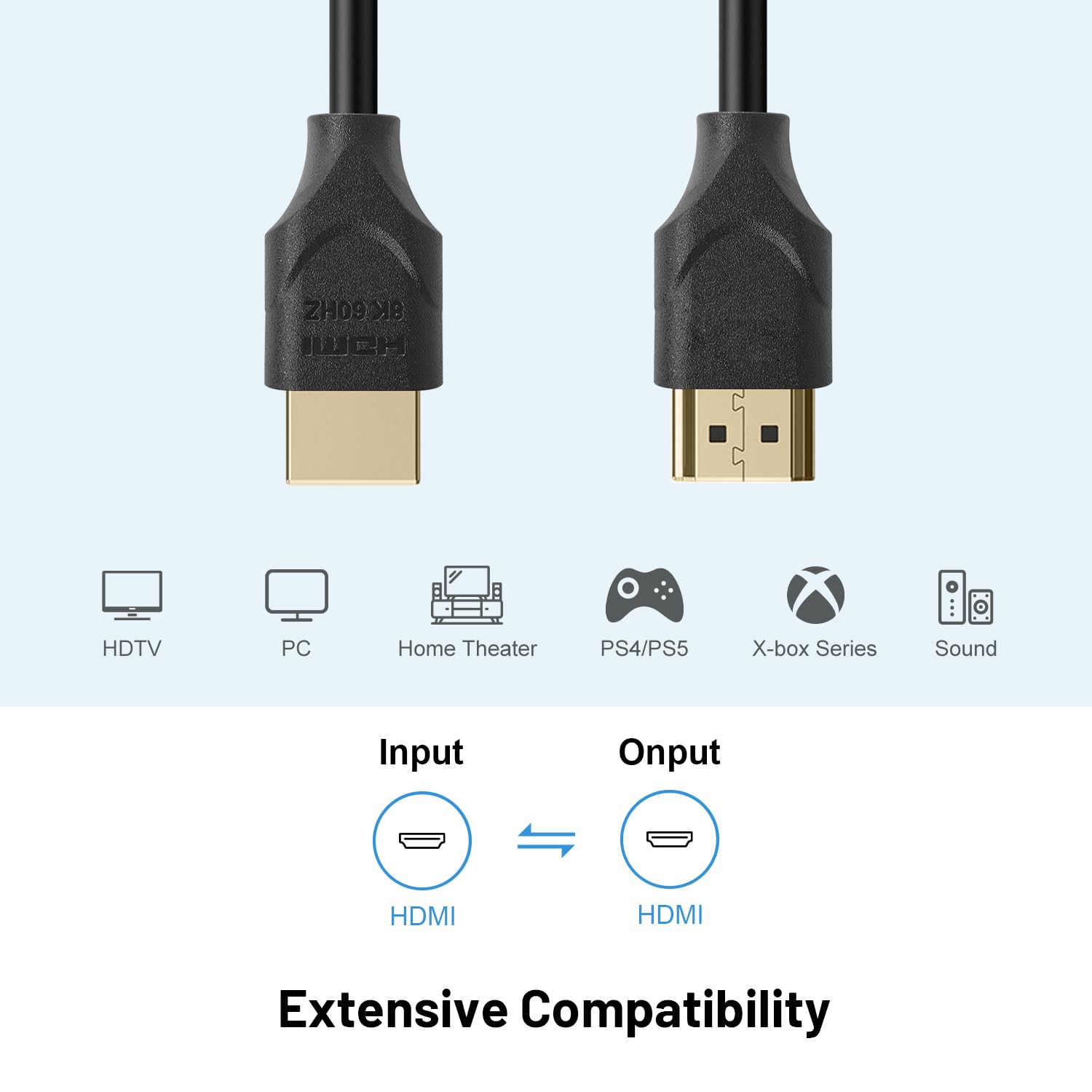
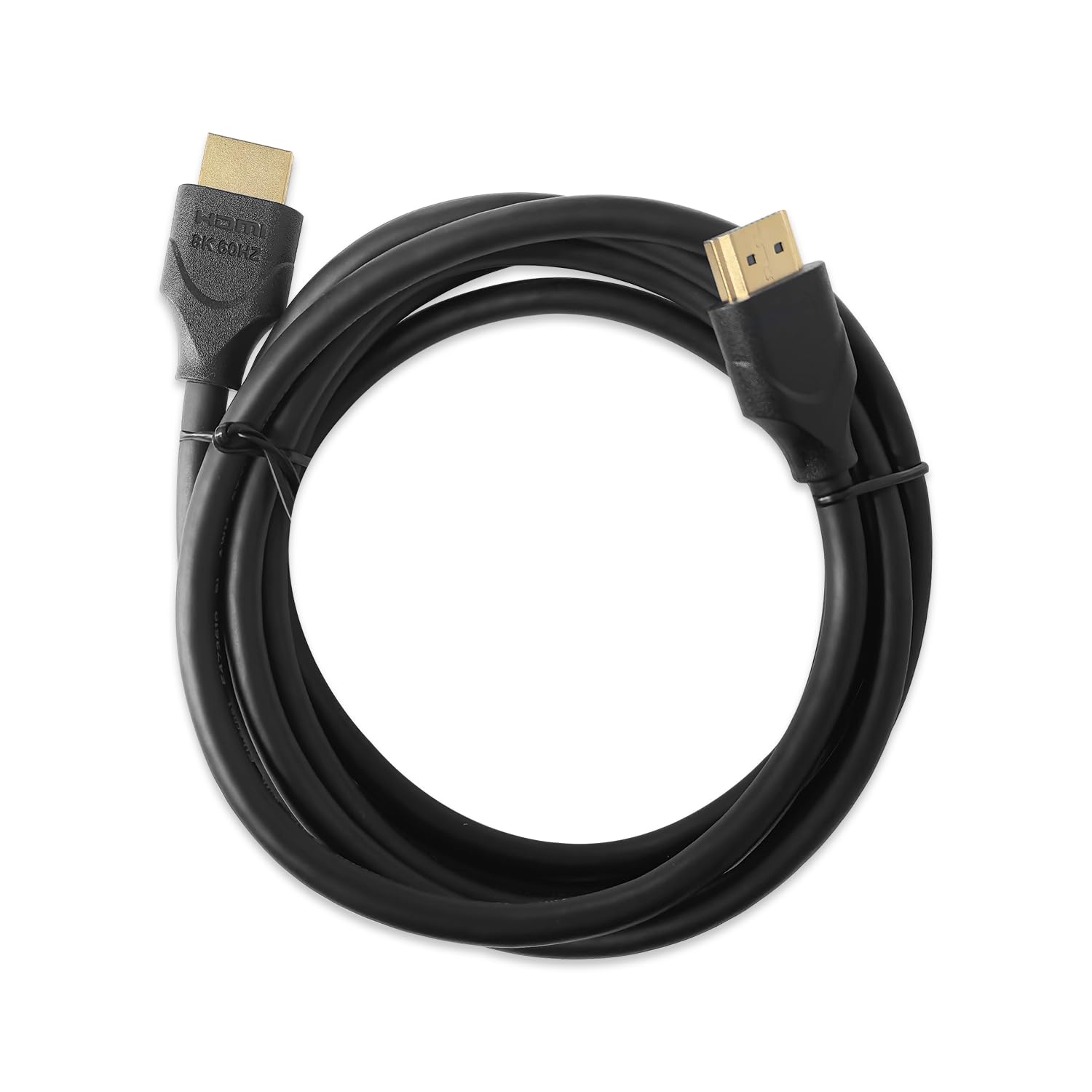
Practical note: The flexibility surprised me. Unlike some stiff ‘premium’ cables, this snakes easily behind my TV stand – crucial since I needed to route it through a crowded cable management sleeve. The connectors have a satisfying click when inserted, though they lack the metal housing of more expensive options.
Now the not-so-great: At $13 for 6ft, it’s definitely pricier than basic HDMI cables. While testing with an 8K demo loop on a Samsung QLED, I did notice occasional handshake issues when switching resolutions – nothing a quick replug didn’t fix, but worth mentioning for perfectionists.
The matte finish feels premium initially, but after two months of regular use (unplugging/replugging weekly for LAN parties), I’m seeing slight wear near the connector grips. Not a dealbreaker, but makes me wonder about long-term durability compared to braided alternatives.
For Xbox Series X owners: This reliably delivers both 4K/120Hz gameplay AND Dolby Vision simultaneously – something many ‘budget’ 2.1 cables struggle with based on my testing across three different setups.
Final verdict? If you need future-proof performance now and don’t mind paying slightly more for reliable bandwidth (especially for eARC audio), this delivers. But casual users with basic 4K setups might find cheaper alternatives sufficient.
 Report
 Share to...


