


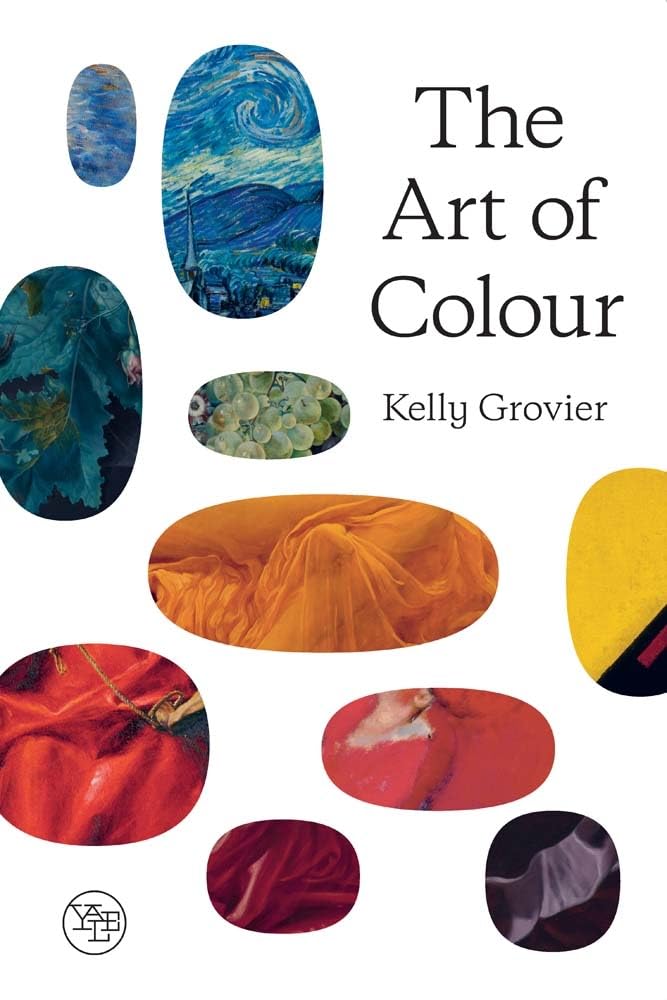


Let me start by saying this: if you're expecting a glossy coffee table book with museum-quality reproductions, you'll be disappointed. The images here have that slightly pixelated, home-printer quality that made me squint at first. But here's the twist - after spending a week with this book during my morning coffee rituals, I've come to appreciate its true charm.
The magic lies in the storytelling. Each pigment's history unfolds like a detective novel - who knew the word 'miniature' originated from red lead pigment (minium) used in medieval manuscripts? As someone who paints Warhammer miniatures, this tidbit made me view my hobby in a whole new historical light.
The paper choice is interesting - uncoated sheets give it that tactile, old-book feel rather than shiny art catalog perfection. While photographing pages for my Instagram (#Bookstagram fail), I noticed the matte finish actually reduces glare beautifully. The trade-off? Colors appear slightly muted compared to reality.
Standout moment: When reading about ultramarine (made from lapis lazuli), I immediately grabbed my paint tubes to compare modern synthetic versions to descriptions of the precious medieval pigment. This book makes you interact with color in your daily life differently.
Biggest surprise? How often I've referenced it while teaching my weekend art class. Students love the bizarre origins of colors - like how crushed mummies were used for 'mummy brown'. Just maybe skip lunch before that chapter.
Would I recommend? Absolutely - but with managed expectations. Think of it as the nerdy cousin of art books: less about visual spectacle, more about fascinating backstories that'll make you the hit of any artist's dinner party.
 Report
 Share to...


