


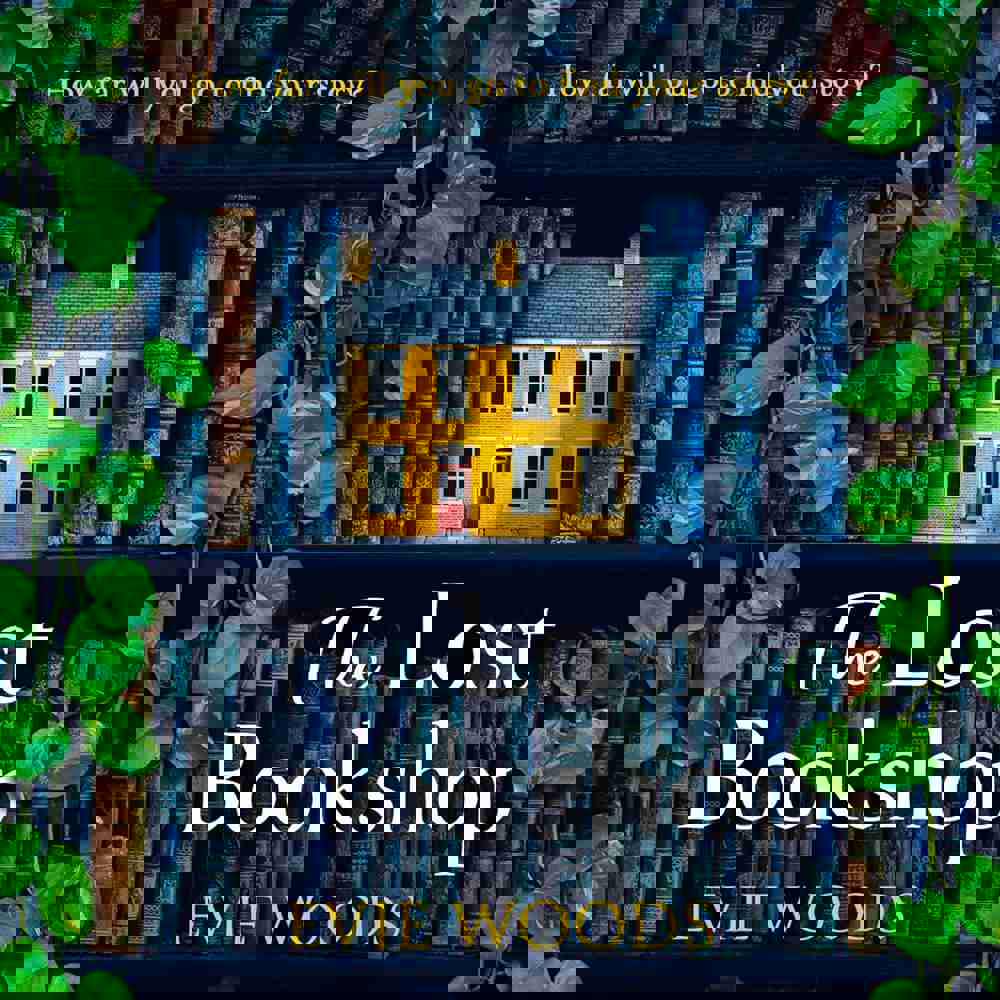



Let me start by saying, 'The Lost Bookshop' by Evie Woods is not just a book—it's an experience. From the moment I cracked open the spine, I was transported into a world where books whisper secrets and forgotten shops hold life-changing magic. The dual timelines (1920s Opaline and present-day Martha/Henry) weave together so beautifully that I found myself equally invested in both eras—no small feat!
What absolutely stole my heart? The bookshop itself. Woods' descriptions made me smell the aged paper and feel the weight of history in those shelves. As someone who’s spent hours getting lost in dusty bookstores, this setting resonated deeply. That moment when Martha first discovers the shop’s hidden corners? Chills.
Now for some real talk: While Opaline’s feminist struggle is powerful (her pregnancy realization scene wrecked me), I did find her independence arc slightly repetitive at times. And yes, that ending—while satisfying—did feel like it sprinted to the finish line after such a deliberate buildup.
But here’s why you should still read it immediately: The way this novel celebrates books as living, breathing entities is unparalleled. That scene where Henry finds a volume that seems to respond to his touch? I actually glanced at my own bookshelf differently afterward. Plus, the subtle magical realism (that tree!) adds just enough wonder without veering into fantasy.
Pro tip: Don’t be like me reading past midnight—this isn’t a ‘just one chapter’ kind of book. The mystery of how these timelines connect becomes utterly addictive. By the final pages, I was both satisfied and desperately wishing for a sequel about ‘A Place Called Lost.’ If you’ve ever felt books were friends rather than objects, this story will feel like coming home.
 Report
 Share to...


