


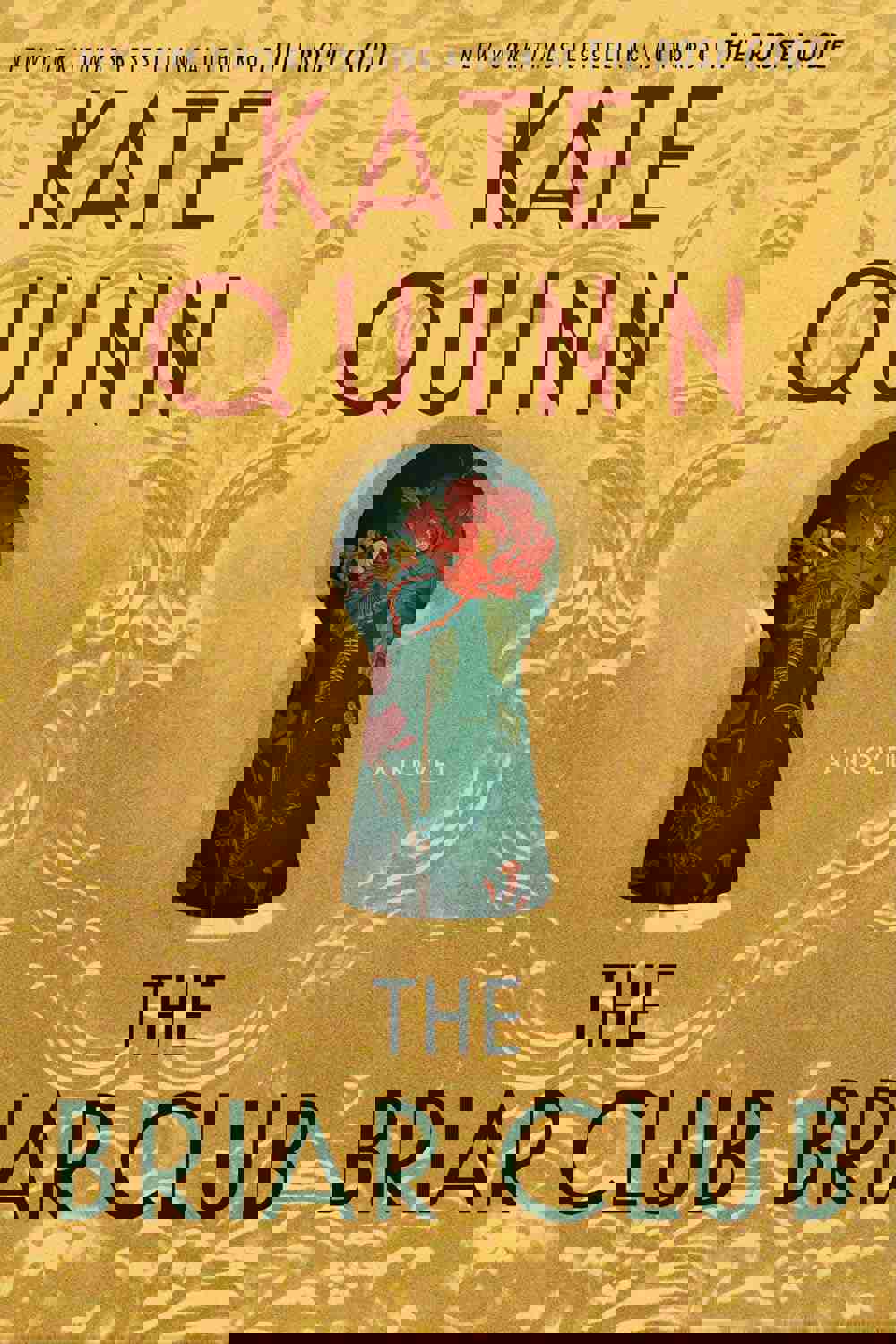


Let me start by saying, The Briar Club is not your average historical fiction. The unique twist? The house itself narrates the story, offering a hauntingly intimate peek into the lives of its residents. It's like Downton Abbey's walls could talk—but with more post-WWII intrigue and feminist grit.
The characters are so vividly drawn, you'll swear you've met them. Grace, the heart of the house, orchestrates Thursday night dinners where each woman brings a dish (and a recipe—genius touch!). These meals become a lifeline for women from wildly different backgrounds: a Jewish art survivor, a baseball player turned PE teacher, even a senator's daughter-in-law. Their clashes and camaraderie feel painfully real.
Where the book truly shines is its unflinching dive into 1950s America—McCarthyism's paranoia, racial tensions, women fighting for autonomy. One chapter had me white-knuckling my Kindle as Nora (my personal favorite) navigates police corruption while secretly dating a jazz musician. The Lavender Scare subplot? Devastatingly timely.
Minor gripe: Mrs. Nilsson's parenting choices made me want to throw the book (then immediately pick it back up). Some character arcs resolve too neatly—but when the writing is this lush ('The house breathed with their secrets'), I'll forgive almost anything.
Pro tip: DO NOT skip Kate Quinn's author note. Her pandemic-fueled inspiration for weaving these stories together is nearly as compelling as the novel itself. Just save it for after—unless you enjoy spoilers with your coffee.
Perfect for fans of 'The Dollhouse' or anyone who craves historical fiction where women aren't just backdrop decor. Five stars for ambition alone—but it earns every one with heart-stopping twists and that magical last line I'm still turning over in my mind weeks later.
 Report
 Share to...


